EMT Exam Prep 2025
As an Emergency Medical Technician (EMT), having a solid understanding of pharmacology is crucial for providing effective patient care in high-pressure situations. Whether you’re administering medications on the scene or preparing for the NREMT certification exam, a comprehensive grasp of pharmacological principles and medication protocols is vital. This blog post will explore the essentials of pharmacology for EMT certification, including key concepts, medication classifications, and practical tips for mastering this critical area of your training.
Understanding Pharmacology Basics
Pharmacology is the study of drugs and their effects on the human body. For EMTs, this includes understanding how medications work, their indications and contraindications, dosages, and potential side effects. Familiarity with pharmacology enables EMTs to safely administer medications, assess their impact on patients, and communicate effectively with healthcare providers.
Key Concepts in Pharmacology
- Pharmacokinetics and Pharmacodynamics
- Pharmacokinetics refers to how the body absorbs, distributes, metabolizes, and excretes drugs. Understanding pharmacokinetics helps EMTs predict how long a medication will take to start working and how long it will remain effective.
- Pharmacodynamics involves the study of how drugs affect the body at the cellular and systemic levels. Knowing the mechanism of action for specific medications allows EMTs to anticipate potential changes in a patient’s condition.
- Routes of Administration
- EMTs must be familiar with various routes of medication administration, including:
- Oral (PO): Medications taken by mouth.
- Sublingual (SL): Medications placed under the tongue for quick absorption.
- Intravenous (IV): Directly into the bloodstream for rapid effect.
- Intramuscular (IM): Injections into muscle tissue for systemic absorption.
- Inhalation: Medications delivered directly to the respiratory system.
- Each route has its own absorption rate, onset of action, and potential complications.
- EMTs must be familiar with various routes of medication administration, including:
- Drug Classifications
- EMTs should be aware of key drug classifications and their indications. Common categories include:
- Analgesics: Pain relief medications (e.g., morphine, acetaminophen).
- Antipyretics: Fever reducers (e.g., ibuprofen).
- Antihistamines: Allergy medications (e.g., diphenhydramine).
- Bronchodilators: Medications that relax airway muscles (e.g., albuterol).
- Cardiovascular drugs: Medications affecting heart function (e.g., epinephrine, nitroglycerin).
- EMTs should be aware of key drug classifications and their indications. Common categories include:
Practical Application of Pharmacology in the Field
Understanding pharmacology is not just academic; it has real-world applications that can significantly impact patient outcomes. Here are some practical scenarios where pharmacological knowledge is essential:
Administering Medications in Emergencies
When responding to emergencies, EMTs may encounter situations requiring immediate medication administration. For example, in a case of severe allergic reaction (anaphylaxis), knowing how to administer epinephrine is crucial. EMTs must understand the correct dosage, route, and potential side effects, such as increased heart rate and hypertension.
Recognizing Drug Interactions and Contraindications
In emergencies, patients may be on multiple medications, leading to potential drug interactions. EMTs should be vigilant about recognizing contraindications. For instance, administering nitroglycerin to a patient who has taken erectile dysfunction medications can lead to dangerous drops in blood pressure. Familiarity with these interactions can prevent adverse events and enhance patient safety.
Study Strategies for Mastering Pharmacology
To effectively prepare for the pharmacology components of the NREMT certification exam, consider the following study strategies:
- Utilize EMT Exam Prep Resources
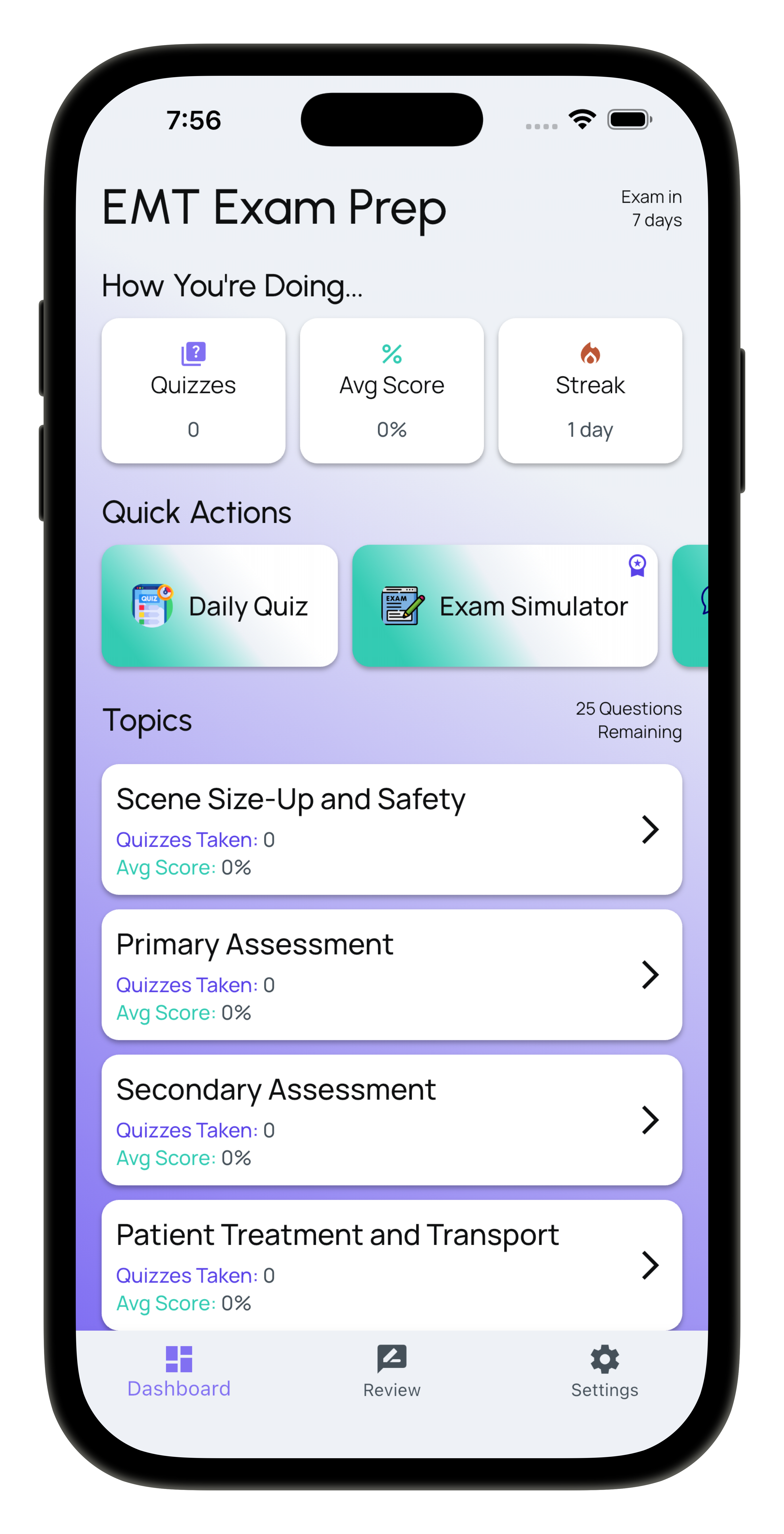
- Leverage the EMT Exam Prep mobile app for NREMT-style practice questions focused on pharmacology. Engaging with these questions will help you familiarize yourself with the exam format and identify areas needing improvement.
- Create Flashcards
- Develop flashcards for key medications, their classifications, indications, dosages, and side effects. This technique enhances retention and allows for quick review sessions.
- Group Study Sessions
- Collaborate with fellow EMT candidates to discuss pharmacological concepts and quiz each other. Teaching others is a powerful method to reinforce your knowledge.
- Use Mnemonics
- Create mnemonics to remember drug classifications and their uses. For example, “A-B-C” can stand for Analgesics, Bronchodilators, and Cardiac drugs.
- Focus on Clinical Guidelines
- Review the latest NREMT guidelines and protocols regarding medication administration. Understanding the standards will not only aid in passing the exam but also ensure safe practice in the field.
Conclusion: Your Path to EMT Certification Success
Pharmacology is a cornerstone of EMT training and a critical area for certification preparation. By mastering pharmacological principles, understanding medication classifications, and applying this knowledge in practical scenarios, you will enhance your skills as an emergency responder. Utilizing resources like the EMT Exam Prep app can provide you with the tools necessary for success on the NREMT exam and in your future career. Remember, a solid foundation in pharmacology not only prepares you for certification but also equips you to provide the highest level of care to your patients in the field.
Ready to become a certified EMT? Try EMT Exam Prep 2025 for comprehensive NREMT-style practice questions with detailed explanations covering all essential certification content areas.