Am I Good? - Simple Budgeting
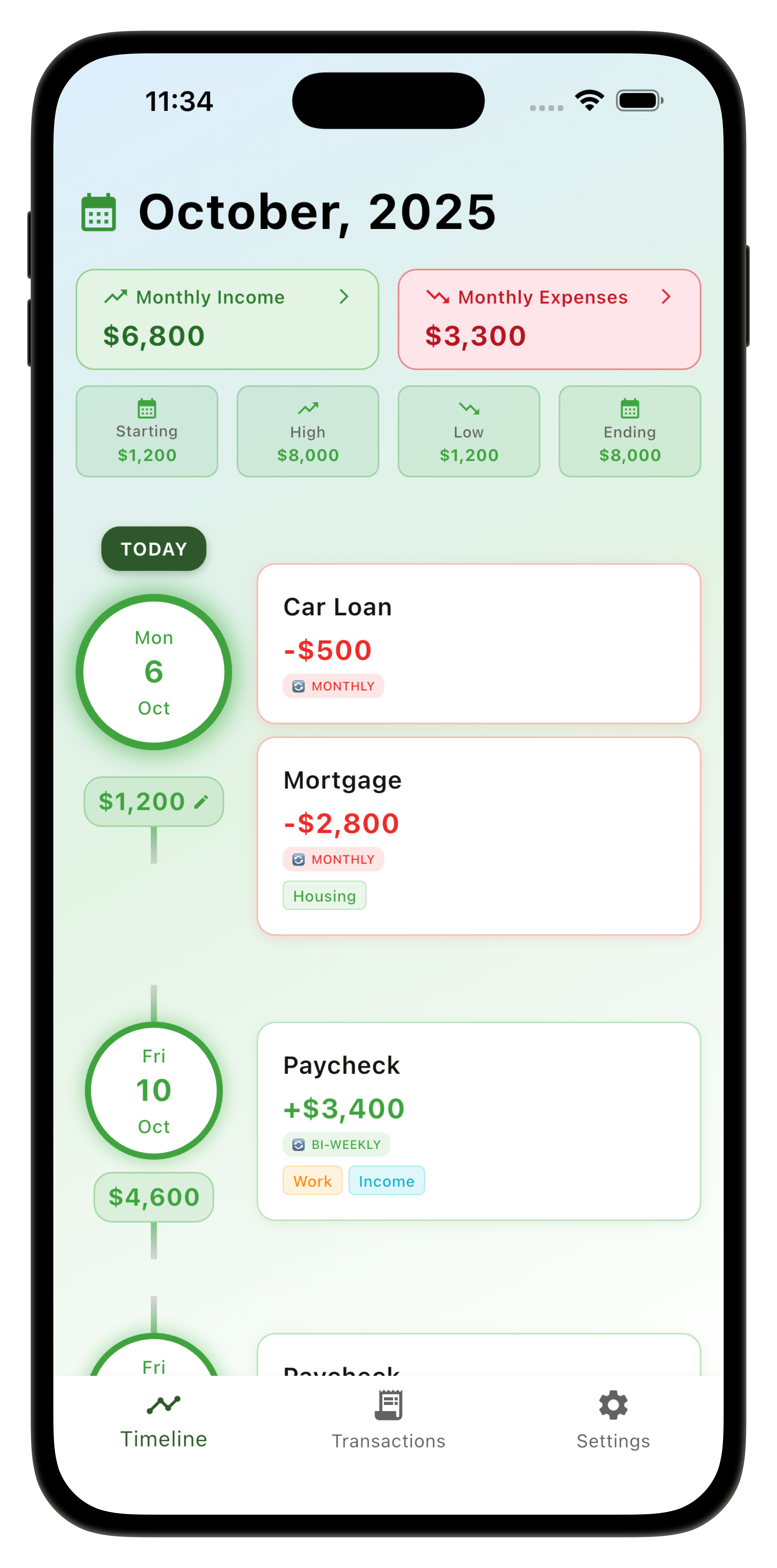
In a world where financial advice often feels overwhelming, it’s crucial to recognize that managing your money doesn’t have to be complicated. At Am I Good, we believe in empowering individuals to achieve financial wellness through privacy-focused, straightforward budgeting techniques. Whether you’re a military family on the move or simply someone seeking clarity in your financial life, this guide will provide you with practical strategies, tips for maintaining your privacy, and a mindset shift to make money management feel stress-free.
1. Practical Financial Strategies You Can Implement Today
Understanding your finances starts with simple tracking and awareness. Here are a few strategies to get you started:
Track Your Income and Expenses
Use a simple spreadsheet or a straightforward app like Am I Good to record your monthly income and expenses. Focus on the essentials: rent, utilities, groceries, and discretionary spending. This process doesn’t need to be complex—just jot down what you earn and what you spend.
Set Clear Financial Goals
Decide what you want to achieve financially, whether it’s saving for a family vacation, building an emergency fund, or paying off debt. Break these goals down into smaller, actionable steps. For example, if you want to save $1,200 for a vacation in a year, aim to set aside $100 each month.
Create a Simple Budget
Your budget doesn’t need to be a detailed, intricate plan. Just divide your income into broad categories. A simple 50/30/20 rule can work wonders: allocate 50% of your income to needs, 30% to wants, and 20% to savings or debt repayment. This method keeps things straightforward and adaptable.
2. Maintaining Financial Privacy
In an age where data breaches are common, maintaining financial privacy is paramount. Here are some strategies to keep your financial information secure:
Avoid Sharing Sensitive Information
When using budgeting tools or apps, ensure they don’t require personal information like Social Security numbers or bank account details. Am I Good allows you to manage your finances without the need for an account, keeping your data secure and private.
Use Encrypted Tools
If you choose to store financial data digitally, opt for apps that prioritize encryption and user privacy. Always read privacy policies to understand how your data is handled.
Limit Public Financial Discussions
Be cautious when discussing financial matters in public forums or social media platforms. Keeping your financial goals and challenges private helps protect you from unsolicited advice and potential scams.
3. Simple Budgeting Techniques and Mindset Shifts
Embracing a new mindset towards budgeting can help alleviate the stress often associated with finances. Here are some techniques and shifts to consider:
Focus on Progress, Not Perfection
Shift your mindset from wanting to achieve perfect financial habits to making incremental progress. Celebrate small victories—like sticking to your budget for a month or saving an unexpected windfall.
Embrace Flexibility
Life is unpredictable, and so are our expenses. Allow your budget to be flexible. If you overspend in one category, adjust another to compensate. This adaptability can help reduce stress and keep you on track.
Practice Mindfulness with Money
Take a moment to reflect on your financial decisions. Before making a purchase, ask yourself if it aligns with your financial goals. This small pause can help you make more intentional choices.
4. Real-World Examples That Resonate
Consider the case of Sarah, a military spouse who moves frequently. Each time she relocates, she feels overwhelmed by the new cost of living and household expenses. By using Am I Good, she tracks her income and expenses without the complexity of traditional apps. She sets simple goals, like saving for a new bike for her child, and adjusts her budget each month based on her family’s needs. With this straightforward approach, Sarah finds clarity and peace of mind in her financial situation.
Another example is Tom, a recent college graduate who struggles with student loans. Instead of becoming overwhelmed, he uses a simple 50/30/20 budget to allocate his income. He focuses on paying off a little more than the minimum on his loans each month while still allowing himself some fun. By keeping his financial journey private and focusing on his goals, Tom feels more in control and less stressed.
5. Stress-Reduction Approaches to Money Management
Managing finances can be a source of stress, but there are strategies to help ease this burden:
Establish a Routine
Set aside a specific time each week or month to review your finances. This dedicated time allows you to stay on top of your budget without feeling overwhelmed.
Practice Gratitude
Take a moment to appreciate what you have. Recognizing your financial achievements, no matter how small, can shift your mindset from scarcity to abundance.
Seek Community Support
Find a trusted friend or family member to discuss your financial goals with. Sharing your journey can provide encouragement and accountability, making financial management feel less isolating.
Conclusion: Embracing Simplicity and Privacy in Financial Literacy
Teaching financial literacy doesn’t have to be complicated or invasive. By embracing simple tools and strategies, you can take control of your finances while prioritizing your privacy. Remember, the goal isn’t perfection but rather progress and awareness. Simplifying your financial management can lead to greater peace of mind, allowing you to focus on what truly matters in your life. So take the first step today—start tracking, set your goals, and enjoy the journey to financial wellness with the confidence that your privacy is secure.
Ready for simple, private budgeting? Try Am I Good? and track your income and expenses effortlessly—no accounts, no data sharing, just straightforward financial awareness.