EMR Exam Prep
As an aspiring Emergency Medical Responder (EMR), you are embarking on a journey that requires not only technical medical skills but also the ability to communicate effectively in high-pressure situations. Communication is a vital component of emergency response, influencing patient care, team dynamics, and overall outcomes. In this blog post, we will explore essential communication skills for emergency medical situations, provide practical training tips, and offer real-world application examples to help you succeed in your EMR training.
Understanding Basic Emergency Medical Concepts and Skills
Before diving into communication skills, it’s important to grasp some fundamental emergency medical concepts. As an EMR, you will typically encounter medical emergencies that require immediate action. Here are some key skills you’ll need to master:
-
Assessment: Quickly evaluating the scene and the patient’s condition is crucial. This includes checking for responsiveness, airway, breathing, circulation, and any obvious injuries.
-
Basic Life Support (BLS): Knowing how to perform CPR, use an Automated External Defibrillator (AED), and manage choking scenarios are foundational skills that can save lives.
-
First Aid: Familiarity with wound care, splinting fractures, and managing shock is essential for providing effective care.
While these skills are critical, your ability to communicate effectively can enhance their impact.
The Importance of Communication in Emergency Response
Effective communication in emergency situations can significantly improve patient outcomes and ensure a coordinated response. Here’s why it matters:
-
Clarity and Conciseness: Clear communication ensures that everyone on the team understands their roles and responsibilities. In emergencies, every second counts, so concise messages are crucial.
-
Patient Interaction: Communicating with patients is vital for gaining their trust and understanding their medical history, symptoms, and concerns. This information can guide your treatment decisions.
-
Coordination with Other Responders: Whether you’re working with fellow EMRs, advanced providers, or hospital staff, proper communication is key to ensuring a seamless transition of care.
Practical Training and Study Tips for Communication Skills
To develop your communication skills as an EMR, consider the following training and study tips:
1. Role-Playing Scenarios:
Participate in role-playing exercises with your peers. Simulate emergency situations where you practice assessing a patient, providing care, and communicating with team members. This hands-on experience will help you feel more confident in real-life scenarios.
2. Active Listening:
Practice active listening techniques. This involves paying full attention to the speaker, acknowledging their message, and responding thoughtfully. In an emergency, understanding the patient’s concerns can improve your assessment and care.
3. Use of Standardized Language:
Familiarize yourself with standardized communication protocols, such as the SBAR (Situation, Background, Assessment, Recommendation) method. This structured approach helps convey critical information efficiently.
4. Feedback Sessions:
After practice scenarios, conduct feedback sessions with your peers or instructors. Discuss what went well and areas for improvement. Constructive feedback is invaluable for honing your communication skills.
Real-World Application Examples
To further illustrate the importance of communication in emergency situations, let’s look at a couple of real-world scenarios:
Scenario 1: Cardiac Arrest
Imagine you arrive at the scene of a cardiac arrest. You quickly assess the patient and begin CPR. During this time, you must communicate clearly with your partner to ensure that one of you calls for an ambulance while the other continues chest compressions. By effectively relaying information about the patient’s condition and the steps you’ve taken, you facilitate a smooth handover to incoming paramedics.
Scenario 2: Multi-Victim Incident
In a multi-victim incident, the ability to communicate effectively can make or break the response. You must quickly triage patients and relay their conditions to your team. Using clear, concise language and a standardized triage system, you can ensure that the most critical patients receive care first, ultimately improving survival rates.
Career Guidance for New EMRs
As you embark on your EMR career, consider the following tips to enhance your prospects:
-
Networking: Join local EMS organizations or online forums to connect with experienced responders. Networking can provide opportunities for mentorship and job leads.
-
Continuous Education: Stay updated on the latest protocols and practices in emergency medicine. Attend workshops, webinars, and refresher courses to enhance your skills and knowledge.
-
Certifications: Pursue additional certifications, such as Advanced Cardiac Life Support (ACLS) or Pediatric Advanced Life Support (PALS), to broaden your skill set and make yourself more marketable.
Safety Considerations and Best Practices
Safety is paramount in emergency medical situations. Here are some best practices to keep in mind:
-
Scene Safety: Always assess the scene for hazards before approaching a patient. Ensure your safety and that of your team first.
-
Personal Protective Equipment (PPE): Use appropriate PPE, such as gloves and masks, to protect yourself and prevent cross-contamination.
-
Clear Communication of Safety Risks: If there are potential hazards in the environment (e.g., traffic, fire), clearly communicate these risks to your team and any bystanders.
Conclusion
As you prepare for your journey as an Emergency Medical Responder, remember that communication skills are just as essential as your medical knowledge. By practicing effective communication techniques, engaging in role-playing scenarios, and continually seeking feedback, you will enhance your ability to provide quality care in emergencies.
At EMR Exam Prep, we are dedicated to supporting you as you develop both your medical skills and communication abilities. Utilize our training app for practice questions and study materials tailored to help you succeed in your EMR certification. Remember, every great responder starts with a strong foundation of knowledge and skills—keep pushing forward, and you’ll make a significant impact in your community!
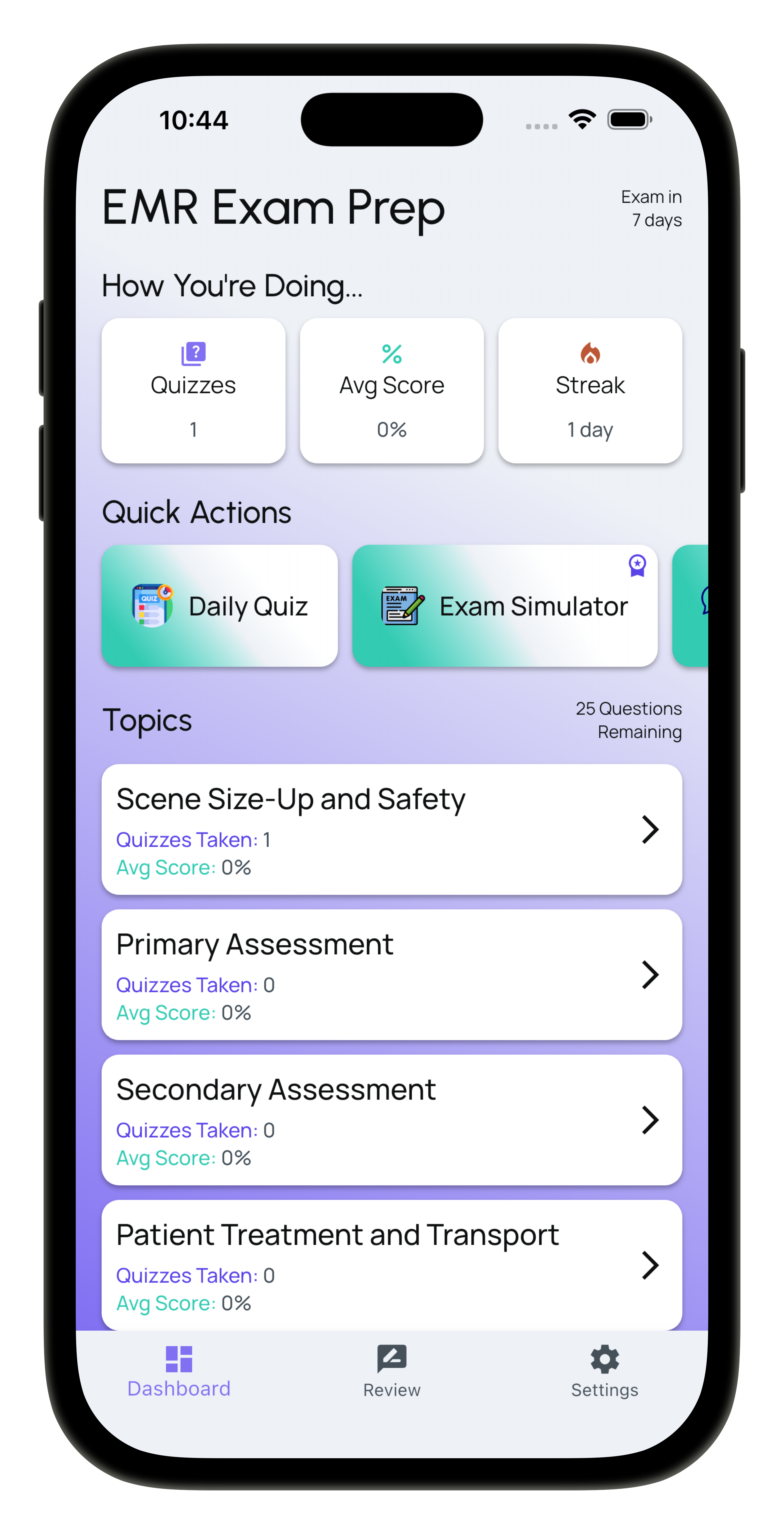
Starting your EMR certification journey? Try EMR Exam Prep for practice questions and study materials designed to help you succeed as an Emergency Medical Responder.