Am I Good? - Simple Budgeting
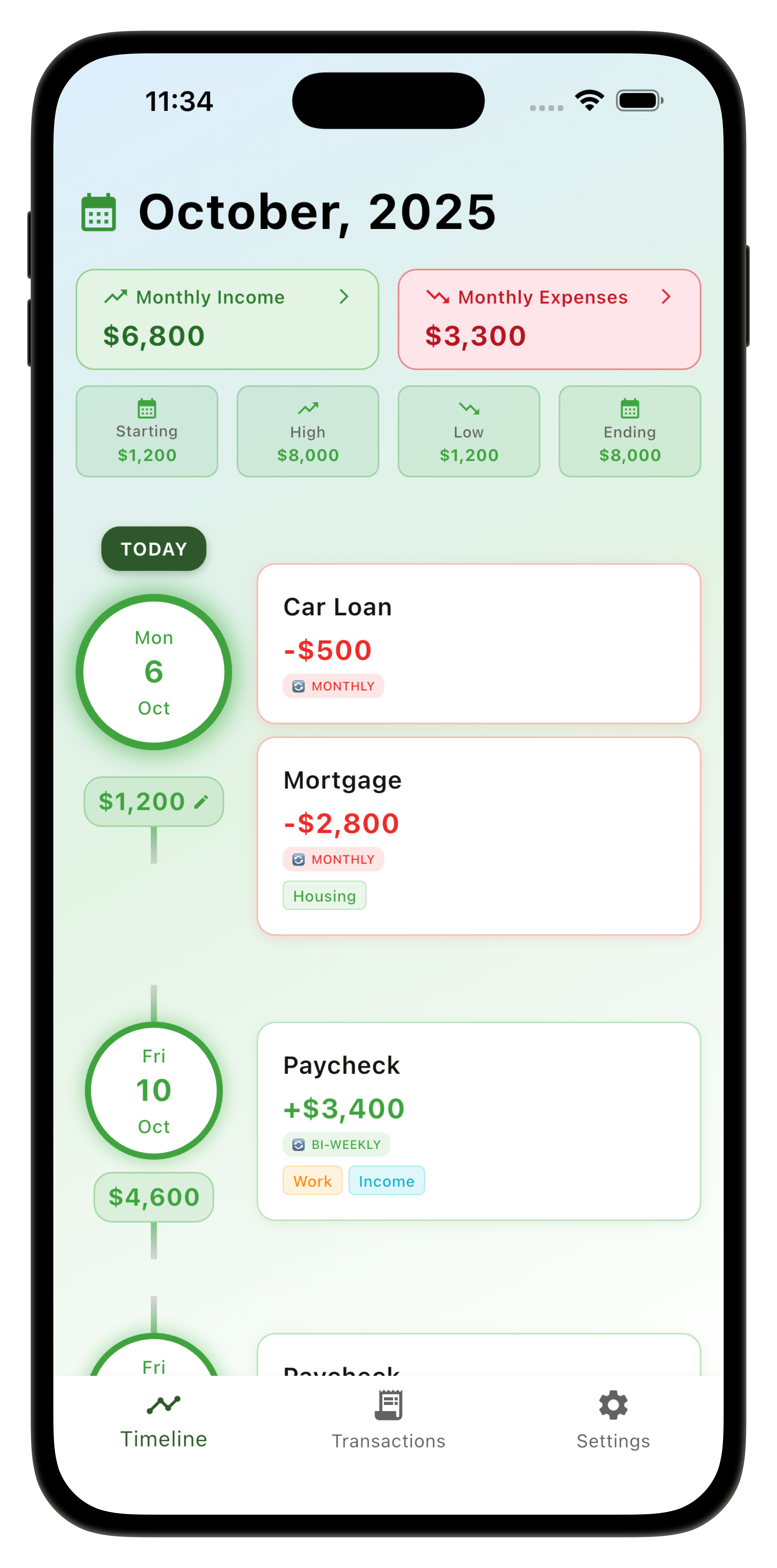
Managing your finances doesn’t have to feel overwhelming or invasive. With sustainable budgeting practices, you can achieve long-term financial success while keeping your personal information private. In this post, we’ll explore practical strategies, budgeting techniques, and mindset shifts that will help you take control of your finances without the stress. Let’s dive in!
1. Embrace the 50/30/20 Rule
One of the simplest budgeting techniques is the 50/30/20 rule, which can help you allocate your income effectively without complicated spreadsheets or apps. Here’s how it works:
- 50% Needs: Allocate half of your income to essential expenses like housing, groceries, utilities, and transportation.
- 30% Wants: Set aside 30% for non-essential expenses, such as dining out, entertainment, or hobbies.
- 20% Savings: The remaining 20% should be directed towards savings, debt repayment, or investments.
This straightforward approach allows you to maintain a balanced budget while providing a clear framework for your spending. It’s simple, sustainable, and can adapt to your unique financial circumstances.
2. Track Your Expenses with a Minimalist Approach
Keeping tabs on your spending is crucial for financial awareness, but it doesn’t have to be complicated. With Am I Good, you can track your income and expenses without needing to create an account or share your data. Here are a few easy ways to track your expenses:
- Daily Log: Spend five minutes each day jotting down your expenses. You can use a notebook or a simple app that doesn’t require personal information. This helps you stay aware of your spending habits without feeling overwhelmed.
- Weekly Review: Set a specific day each week to review your expenses and categorize them according to the 50/30/20 rule. This regular check-in enables you to adjust your spending if needed while keeping your financial privacy intact.
3. Prioritize Your Financial Privacy
In today’s digital world, protecting your financial privacy is essential. Here are some actionable tips to keep your data safe while managing your budget:
- Use Cash: When possible, opt for cash payments. This not only helps you avoid overspending but also keeps your transactions private. Plus, it can be easier to see where your money goes when you physically handle it.
- Limit Your Online Sharing: Be mindful of what you share on social media regarding your financial situation. Avoid posting about purchases, income, or financial struggles that could make you vulnerable.
- Choose Tools Wisely: When selecting budgeting tools or apps, prioritize those that emphasize privacy like Am I Good. Always read the privacy policy to ensure your data isn’t shared or sold.
4. Mindset Shift: Focus on Progress, Not Perfection
One of the biggest barriers to effective budgeting is the fear of failure. Instead of striving for a perfect budget, adopt a mindset of progress. Here’s how:
- Celebrate Small Wins: Acknowledge your achievements, no matter how minor. Did you stick to your budget for a week? Great! Did you save a little extra money? Even better! Celebrating these victories can boost your motivation and make budgeting feel more rewarding.
- Learn from Mistakes: If you overspend in a category, don’t beat yourself up. Instead, analyze what happened and adjust your budget accordingly. This approach fosters a growth mindset and helps you build sustainable habits over time.
5. Real-World Example: The Thompson Family
Let’s take a look at the Thompson family, who recently moved to a new city due to a military transfer. Faced with the stresses of relocation, they found budgeting challenging. Here’s how they implemented sustainable practices:
- Daily Log: The Thompsons started a daily expense log using a simple notebook. They dedicated just five minutes each evening to write down their expenses, which helped them identify areas where they could cut back.
- 50/30/20 Rule: They applied the 50/30/20 rule to their family budget and made adjustments based on their needs in the new city. This clear framework allowed them to allocate funds for both essential needs and family activities without feeling overwhelmed.
- Weekly Review: By setting aside time each week to review their expenses, the Thompsons felt more in control of their finances, reducing stress during an already busy transition.
6. Stress-Reduction Approaches to Money Management
Finally, let’s discuss some stress-reduction strategies to make financial management feel less daunting:
- Set Realistic Goals: Instead of aiming for unrealistic financial milestones, focus on achievable goals. Start with small, specific objectives, such as saving $100 a month, and build from there.
- Practice Mindfulness: Incorporate mindfulness techniques, such as deep breathing exercises or meditation, to help reduce anxiety related to money. Taking a few moments to center yourself can make a significant difference in your perspective.
- Seek Support: Share your financial goals and challenges with a trusted friend or family member. Talking about money can alleviate feelings of isolation and provide valuable insights or encouragement.
Conclusion
Sustainable budgeting practices don’t have to be complex or invasive. By embracing simplicity and prioritizing your privacy, you can cultivate healthy financial habits that lead to long-term success. Remember to celebrate your wins, learn from setbacks, and focus on progress over perfection. With these techniques in your toolkit, managing your finances can become a stress-free and rewarding experience.
So, are you ready to take the first step toward financial wellness? Try implementing these strategies today and watch your financial confidence grow!
Ready for simple, private budgeting? Try Am I Good? and track your income and expenses effortlessly—no accounts, no data sharing, just straightforward financial awareness.