EMR Exam Prep
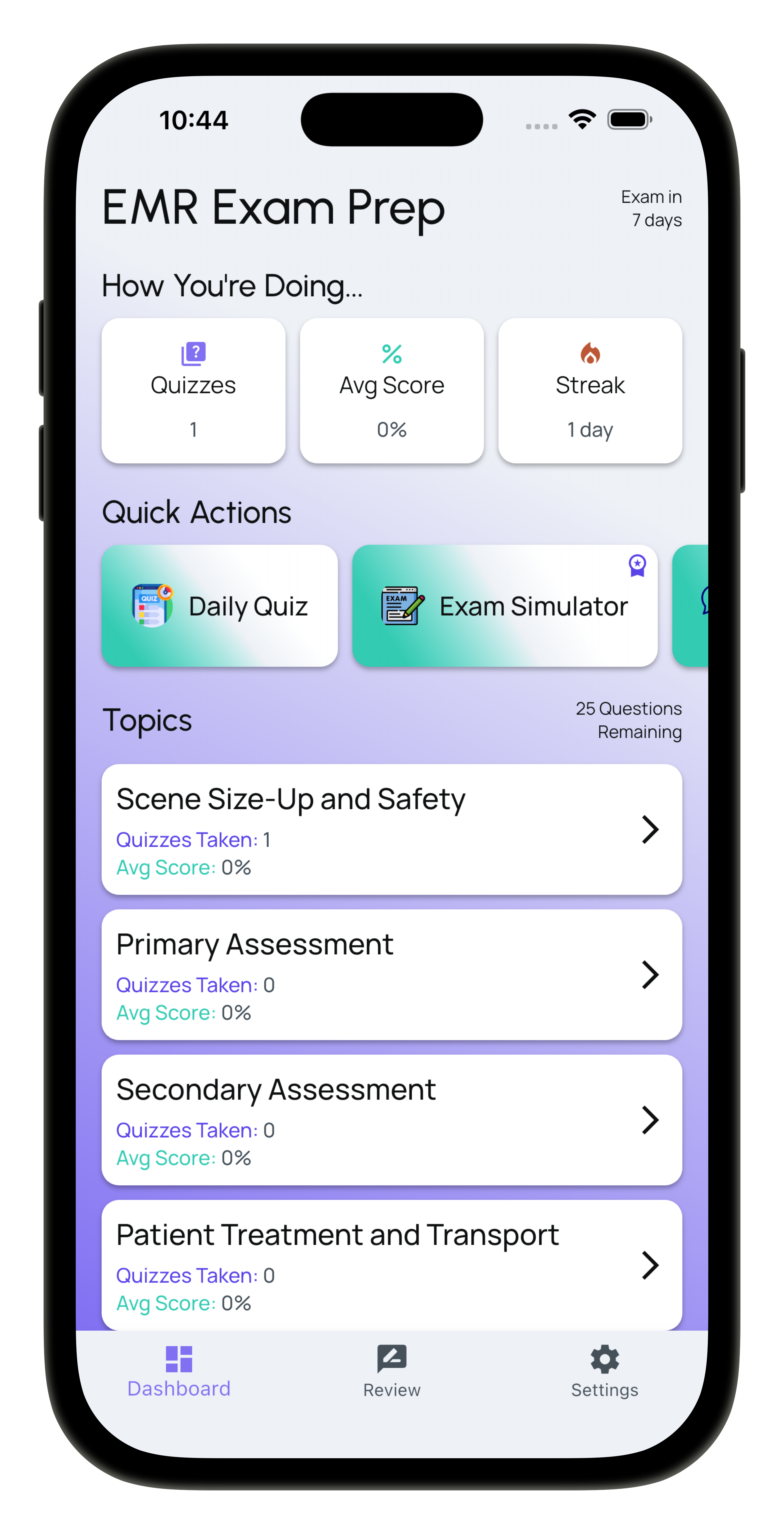
Embarking on the journey to become an Emergency Medical Responder (EMR) is both an exciting and challenging experience. As an aspiring EMR, mastering basic life support (BLS) techniques is crucial not only for your certification but also for ensuring the safety and well-being of those you will help. In this comprehensive guide, we’ll explore essential BLS skills, practical training tips, real-world applications, career guidance, and critical safety considerations to help you succeed in your EMR training and beyond.
Understanding Basic Life Support (BLS)
Basic Life Support (BLS) refers to the foundational techniques used to sustain life in patients experiencing cardiac arrest or respiratory failure. Every EMR should focus on the following core skills:
-
CPR (Cardiopulmonary Resuscitation): This is the most critical skill for any EMR. It involves chest compressions and rescue breaths to maintain blood flow and oxygenation until advanced medical help arrives.
-
AED (Automated External Defibrillator) Use: Knowing how to operate an AED is vital. This portable device can analyze the heart’s rhythm and, if needed, deliver a shock to restore a normal heartbeat.
-
Choking Relief: As an EMR, you should be adept at performing the Heimlich maneuver (abdominal thrusts) and back blows for conscious choking victims, as well as appropriate techniques for unconscious individuals.
-
Positioning the Patient: Understanding how to position a patient can prevent further injury and facilitate breathing, especially in cases of suspected spinal injuries or respiratory distress.
-
Recognizing Medical Emergencies: Be aware of signs and symptoms of various medical conditions, such as heart attacks, strokes, and allergic reactions, to provide timely assistance.
Practical Training and Study Tips
1. Engage in Hands-On Practice
Theoretical knowledge is essential, but hands-on practice is where you will truly master BLS techniques. Join a local CPR class or practice group where you can use manikins and AED trainers. Repetition is key to building muscle memory and confidence.
2. Utilize EMR Exam Prep Resources
Make use of EMR Exam Prep’s study materials, which are tailored to help you understand and retain vital information. The app features practice questions that simulate the types of scenarios you may encounter on the certification exam, enhancing your test-taking skills and knowledge base.
3. Form a Study Group
Studying with peers can be incredibly beneficial. Form a study group with fellow EMR students to practice skills together, quiz each other on key concepts, and share insights. This collaborative approach can reinforce learning and build camaraderie.
4. Schedule Regular Review Sessions
Dedicate time each week to review your training materials and practice skills. Spacing out your study sessions will improve retention and allow you to build upon your knowledge progressively.
5. Learn From Real-World Scenarios
Familiarize yourself with case studies and past emergency situations. Understanding how BLS techniques were applied in real-life emergencies will help contextualize your training and prepare you for future challenges.
Real-World Application Examples
Scenario 1: Sudden Cardiac Arrest
Imagine you are at a family gathering when a relative suddenly collapses. Recognizing the signs of cardiac arrest—unresponsiveness and no normal breathing—you immediately call 911 and begin CPR. After several cycles of chest compressions and rescue breaths, you use an AED that has been brought to the scene. Following the device’s prompts, you deliver a shock, and your relative starts to regain consciousness. Your knowledge of BLS saved a life.
Scenario 2: Choking at a Restaurant
You notice a fellow diner clutching their throat and unable to speak. Remembering the Heimlich maneuver, you approach them calmly, ask for permission to help, and perform the thrusts. The obstruction is cleared, and the diner can breathe again. Your quick thinking and training directly impacted someone’s safety.
Career Guidance for New EMRs
As you complete your training and certification, keep these tips in mind to navigate your new career:
-
Volunteer Opportunities: Seek out volunteer positions with local EMS or community organizations. This will provide valuable hands-on experience and build your resume.
-
Networking: Connect with seasoned professionals in the field. Attend workshops, seminars, or local EMS events to establish relationships and seek mentorship.
-
Continued Education: Stay informed about the latest developments in emergency medical care. Consider pursuing advanced certifications, such as Advanced Cardiac Life Support (ACLS) or Pediatric Advanced Life Support (PALS), to enhance your skills and career prospects.
-
Stay Resilient: The EMS field can be challenging. Be prepared for emotional and physical demands, and prioritize your mental health. Seek support when needed.
Safety Considerations and Best Practices
-
Personal Safety: Always assess the scene before providing assistance. Ensure that it is safe for you to approach, and use appropriate personal protective equipment (PPE) when necessary.
-
Follow Protocols: Adhere to established protocols and guidelines. Familiarize yourself with local EMS protocols and always follow them in emergencies.
-
Communicate Effectively: Clear communication is vital in emergency situations. Use simple, direct language when giving instructions to bystanders and responding personnel.
-
Document Actions: After an incident, document your actions and any observations. This information can be critical for medical professionals who take over care.
-
Practice Self-Care: As an EMR, you may encounter traumatic situations. Make sure to practice self-care and engage in activities that help you recharge emotionally and mentally.
Conclusion
Mastering basic life support techniques is not just about passing a certification exam; it’s about being prepared to make a real difference in someone’s life. As you navigate your training as an EMR, remember that practice, study, and dedication are key components of your success. With resources like EMR Exam Prep at your disposal, you’re well-equipped to excel in your studies and future career. Stay safe, stay positive, and embrace the rewarding journey ahead in emergency medical response!
Starting your EMR certification journey? Try EMR Exam Prep for practice questions and study materials designed to help you succeed as an Emergency Medical Responder.