Am I Good? - Simple Budgeting
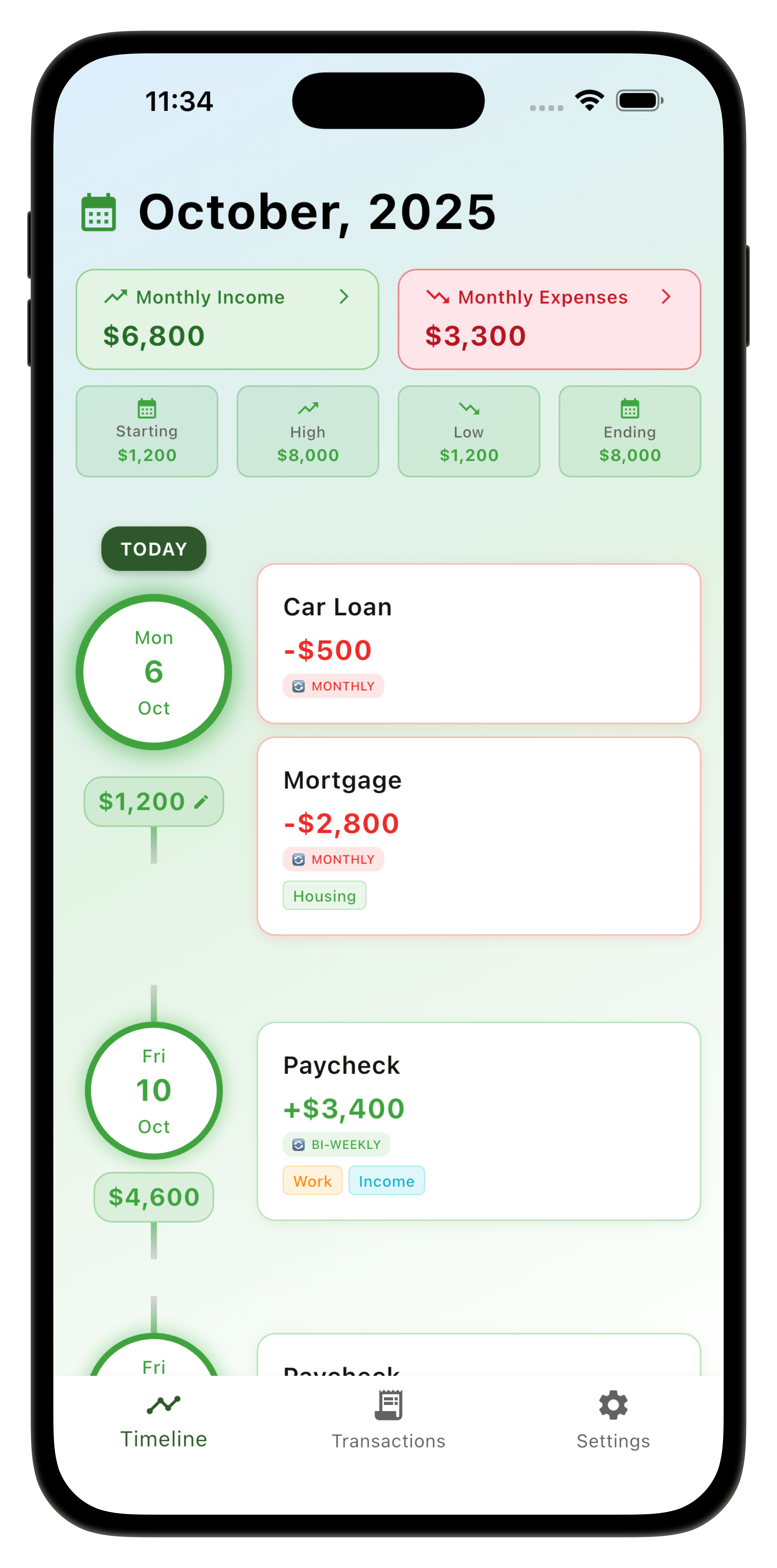
Managing finances can be challenging for anyone, but military families face unique hurdles, especially when it comes to frequent relocations. Between changing living expenses, varying job markets, and the need for privacy in financial matters, it can feel overwhelming. However, budgeting doesn’t have to be complicated. With the right strategies in place, military families can achieve financial wellness while respecting their privacy.
In this post, we’ll explore practical financial strategies, budgeting techniques, and stress-reduction approaches that resonate with military families and frequent movers. Let’s dive in!
Practical Financial Strategies for Military Families
1. Create a Flexible Budget
A flexible budget is key for military families who often face changing circumstances. Start by determining your essential monthly expenses, such as housing, utilities, groceries, and transportation. Then, allocate funds for variable expenses like entertainment, dining out, and personal care.
Tip: Use a simple spreadsheet or a privacy-focused budgeting app like Am I Good to track your income and expenses. This allows you to easily adjust your budget as needed without complex calculations.
2. Use the “50/30/20” Rule
The “50/30/20” budgeting rule is a straightforward approach that divides your income into three categories:
- 50% for Needs: Essential expenses like housing, groceries, and transportation.
- 30% for Wants: Non-essentials like entertainment and hobbies.
- 20% for Savings: Emergency funds, retirement contributions, or debt repayment.
This method simplifies budgeting by providing clear guidelines without overwhelming details.
3. Take Advantage of Military Benefits
Military families have access to numerous benefits that can help ease financial burdens. From housing allowances to education benefits, make sure you’re taking full advantage of these resources. Research local and national programs that can provide support during relocations, and don’t hesitate to ask your chain of command or local military support organizations for assistance.
Tips for Maintaining Financial Privacy
1. Choose a Privacy-Focused Budgeting Tool
When it comes to managing finances, privacy is a top priority for many military families. Opt for budgeting tools that don’t require personal accounts or data sharing. Am I Good allows you to track your income and expenses without compromising your privacy.
2. Limit Sharing Financial Information
While it’s essential to seek advice and support, be cautious about sharing your financial situation with others. Discussing personal finances can lead to unwanted judgment or pressure. Instead, focus on finding trusted resources and communities that respect your desire for privacy.
Simple Budgeting Techniques and Mindset Shifts
1. Embrace Simplicity
The key to effective budgeting is simplicity. Instead of getting bogged down in complex spreadsheets or advanced financial strategies, focus on what works for you. Regularly review your budget and adjust as needed, but keep the process straightforward.
Mindset Shift: Change your view of budgeting from a chore to a tool for empowerment. Think of it as a way to take control of your financial future, rather than a restriction on your spending.
2. Set Realistic Goals
Setting achievable financial goals can provide motivation and clarity. Whether you aim to save for a family vacation or pay off a credit card, break your goals into smaller, manageable steps. Celebrate small victories along the way to keep your spirits high.
Example: If you want to save $1,200 for a trip, aim to save $100 each month. This makes the goal less daunting and more attainable.
Stress-Reduction Approaches to Money Management
1. Schedule Regular Financial Check-Ins
Set aside time each month to review your finances. This can be a simple 30-minute session where you update your budget, assess your spending, and adjust your goals. Regular check-ins help you stay on track and reduce anxiety about your financial situation.
2. Practice Mindfulness
Managing money can be stressful, especially during transitions. Incorporate mindfulness practices such as deep breathing or meditation into your financial routine. Taking time to clear your mind can help you approach budgeting with a fresh perspective.
Tip: Consider keeping a gratitude journal to reflect on what you’re thankful for, including your financial achievements. This shift in focus can reduce stress and enhance your overall mindset about money.
3. Engage the Family
Involve your family in the budgeting process to foster a shared sense of responsibility. Discuss financial goals together, and encourage everyone to contribute ideas for saving or cutting expenses. This teamwork can strengthen family bonds while making budgeting feel less isolating.
Conclusion
Budgeting for military families doesn’t have to be complicated or invasive. By embracing simplicity, maintaining financial privacy, and adopting straightforward budgeting techniques, you can navigate the challenges of frequent relocations with confidence.
Remember, it’s all about finding what works for you and your family. With the right strategies in place, you can achieve financial wellness while enjoying the journey. Start today with small steps, and let Am I Good support you in creating a secure and private financial future. You’ve got this!
Ready for simple, private budgeting? Try Am I Good? and track your income and expenses effortlessly—no accounts, no data sharing, just straightforward financial awareness.