EMR Exam Prep
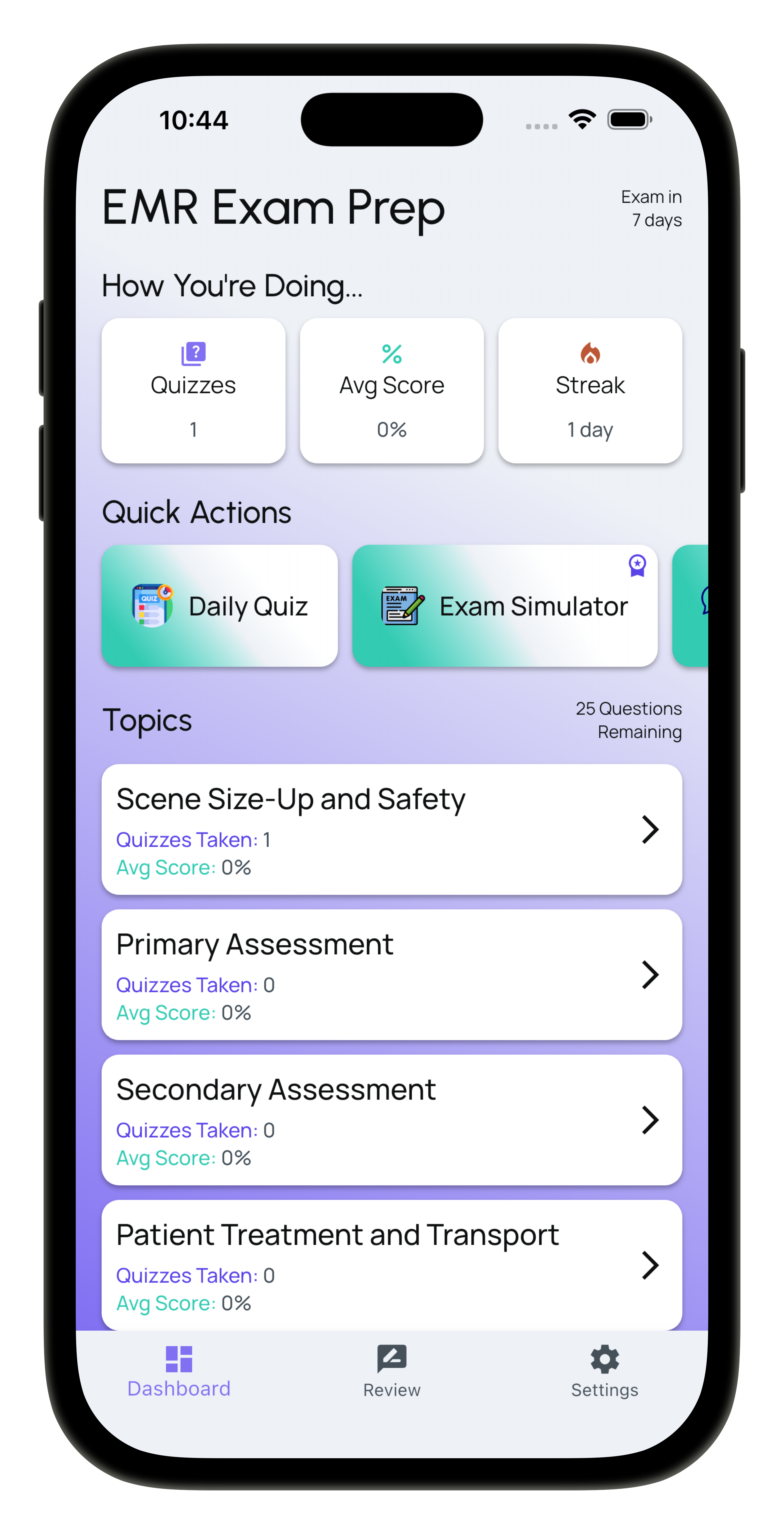
Entering the world of emergency medical response can be both thrilling and overwhelming. As an aspiring Emergency Medical Responder (EMR), mastering basic life support (BLS) techniques is crucial to ensuring you can effectively handle emergencies. In this blog post, we’ll explore the essential BLS skills every EMR should master, practical training tips, real-world scenarios, safety considerations, and career guidance. With the right preparation and mindset, you can become a confident and capable responder.
Understanding Basic Emergency Medical Concepts
Before diving into specific skills, it’s essential to grasp some basic emergency medical concepts that form the foundation of your training:
- Assessment and Scene Safety: Always assess the scene for dangers before approaching. Identify potential hazards, ensure your own safety, and then evaluate the patient.
- The ABCs of Patient Care: Familiarize yourself with the ABCs—Airway, Breathing, and Circulation. These are the critical areas to assess and manage in an emergency.
- The Importance of Time: In emergencies, time is of the essence. Understanding how to quickly assess a situation and act decisively can save lives.
Essential Basic Life Support Techniques
- CPR (Cardiopulmonary Resuscitation):
- Compress and Ventilate: Learn the correct hand placement for chest compressions and the appropriate compression-to-ventilation ratio (30:2 for adults). Practice on mannequins until you’re comfortable with the rhythm and depth of compressions.
- Two-Person CPR: If you’re working with a partner, practice coordinating between compressions and breaths for efficiency.
- Using an AED (Automated External Defibrillator):
- Familiarity with AEDs: Understanding how to properly use an AED can be a lifesaver. Practice locating and operating an AED, as well as following the device’s voice prompts.
- Placement of Pads: Know how to correctly place AED pads on a patient’s chest for effective defibrillation.
- Choking Relief Techniques:
- Heimlich Maneuver: Learn how to perform abdominal thrusts (the Heimlich maneuver) on adults and children. For infants, practice back blows and chest thrusts.
- Recognizing Choking: Be able to identify the signs of choking, including the universal choking sign, and understand when to intervene.
- Recovery Position:
- Understand how to place an unconscious but breathing patient in the recovery position to maintain an open airway and prevent aspiration.
Practical Training and Study Tips
-
Hands-On Practice: Engaging in regular, hands-on practice is key to mastering BLS techniques. Join study groups or local CPR classes to practice with peers.
-
Use Simulation Tools: Leverage simulation mannequins and scenarios to hone your skills. Many training programs, including EMR Exam Prep, offer practice questions and scenarios to reinforce your learning.
-
Study Resources: Take advantage of online resources, textbooks, and video tutorials. EMR Exam Prep provides comprehensive materials to help you prepare for certification exams.
-
Mock Scenarios: Set up mock emergencies with classmates to practice your response in realistic situations. This builds confidence and reinforces your learning.
Real-World Application Examples
Imagine responding to a scene where a bystander collapses. Here’s how your training applies:
- Initial Assessment: Ensure the scene is safe, then check for responsiveness. If the patient is unresponsive and not breathing, call for help and start CPR immediately.
- Applying AED: If an AED is available, quickly retrieve it and follow the voice prompts while continuing CPR until the device is ready to analyze the heart rhythm.
- Choking Emergency: In a restaurant, if someone is choking, you would recognize the signs, ask if the person can cough, and if not, perform the Heimlich maneuver immediately.
These examples illustrate the life-saving impact of mastering BLS techniques.
Career Guidance for New EMRs
As you embark on your EMS journey, consider the following:
- Networking: Connect with experienced EMRs and other professionals in the field. They can provide invaluable insights and mentorship as you start your career.
- Continuous Education: The EMS field is constantly evolving. Keep your skills updated through ongoing education and certifications beyond your initial training.
- Volunteer Opportunities: Engage with local EMS services or community response teams. Volunteering not only builds your skills but also enhances your resume.
- Specializations: As you gain experience, explore specializations within EMS, such as wilderness medicine or tactical response, to find your niche.
Safety Considerations and Best Practices
- Personal Safety: Always prioritize your safety and that of others. Use appropriate personal protective equipment (PPE) and follow protocols for hazardous situations.
- Communication: Clear communication with team members and other responders is essential. Use concise language and confirm understanding during emergencies.
- Documentation: After every call, document your actions and the patient’s condition. Accurate documentation is vital for patient care continuity and legal reasons.
Final Thoughts
Becoming an effective EMR requires dedication, practice, and a commitment to learning. By mastering basic life support techniques, you’ll be well-equipped to handle emergencies and provide critical care. Utilize resources like EMR Exam Prep to enhance your training, and remember that every responder was once a beginner. Embrace the journey, stay curious, and know that your efforts can make a significant difference in your community.
With the right mindset and preparation, you’re on the path to becoming a skilled emergency medical responder. Good luck, and stay safe!
Starting your EMR certification journey? Try EMR Exam Prep for practice questions and study materials designed to help you succeed as an Emergency Medical Responder.