EMT Exam Prep 2025
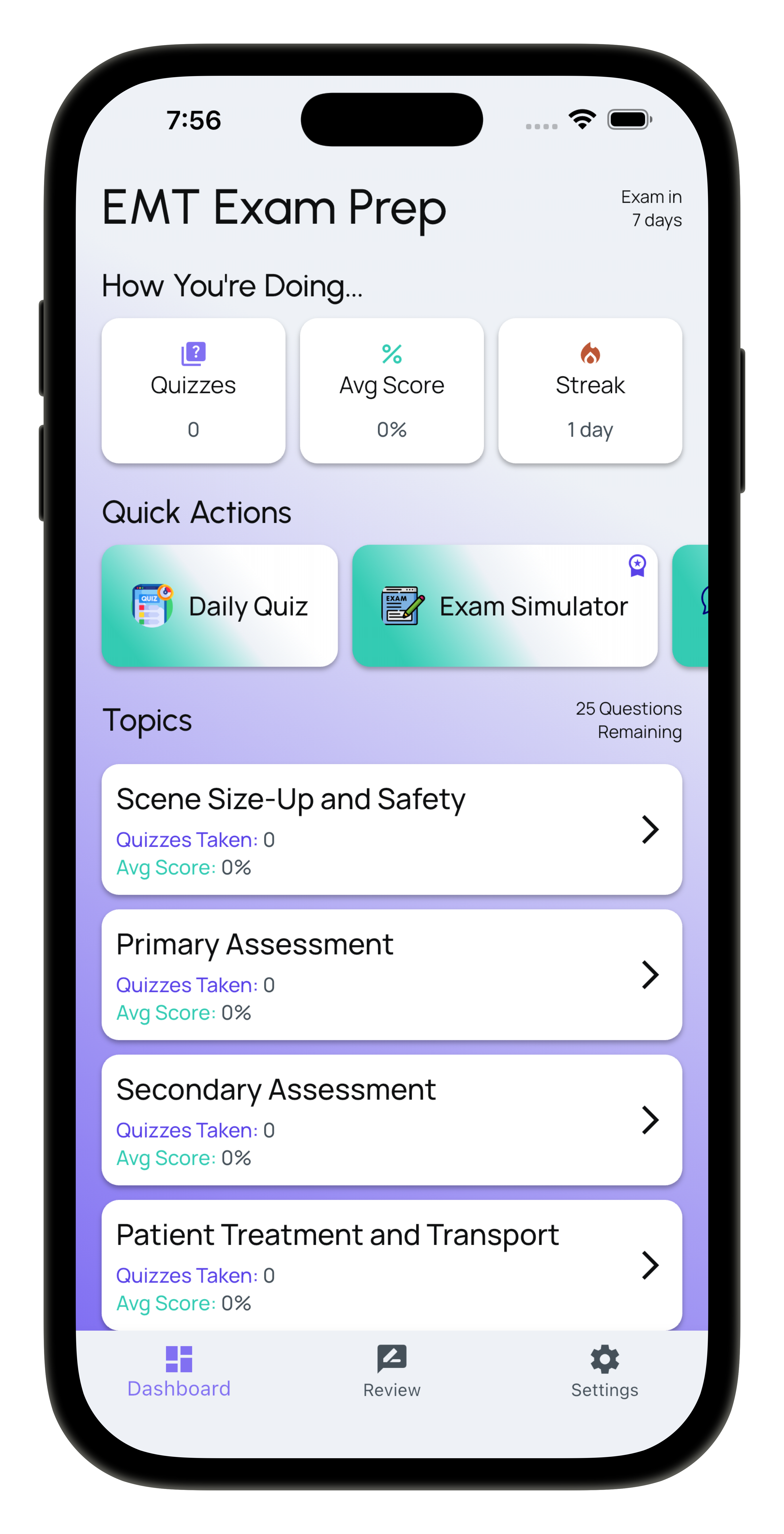
In emergency medical services, one of the core competencies is the ability to effectively assess and manage trauma cases. Trauma assessment and management protocols are essential not only for patient safety but also for the successful completion of your EMT certification. As candidates prepare for the NREMT exam, understanding these protocols can make a significant difference in both test performance and real-world applications. This blog will provide a comprehensive overview of trauma assessment and management, practical tips for mastering these topics, and how EMT Exam Prep can be your ally in this journey.
Understanding Trauma Assessment Protocols
The first step in trauma management is a thorough assessment. This process is structured to ensure that EMTs can identify life-threatening conditions rapidly. The primary approach is often summarized by the acronym “ABCDE,” standing for:
-
A – Airway: Assess and secure the airway. Look for obstructions and ensure that the patient can breathe. If necessary, utilize jaw thrust or chin lift maneuvers.
-
B – Breathing: Evaluate the quality of breathing. Look for signs of respiratory distress, such as abnormal breath sounds or use of accessory muscles. Administer supplemental oxygen as indicated.
-
C – Circulation: Check for pulse, control any external bleeding, and assess skin signs (color, temperature, and moisture). Initiate CPR if there’s no pulse.
-
D – Disability: Conduct a quick neurological assessment. Use the AVPU scale (Alert, Voice, Pain, Unresponsive) to gauge the patient’s level of consciousness.
-
E – Exposure/Environmental Control: Expose the patient to identify any hidden injuries while ensuring their temperature is maintained.
Practical Tip: Practice the ABCDE Assessment
Incorporate the ABCDE assessment into your study routine. Use practice scenarios to simulate trauma assessments. Time yourself and work on becoming efficient while maintaining thoroughness. This will not only prepare you for the NREMT exam but also for your future role as an EMT.
Detailed Trauma Management Protocols
Once the initial assessment is complete, the next step is to manage the identified conditions. Here’s a closer look at some critical management protocols:
Airway Management
For trauma patients, securing the airway is paramount. If the patient is unresponsive or has a compromised airway, consider the following:
- Oropharyngeal Airway (OPA): Use in unconscious patients without a gag reflex.
- Nasopharyngeal Airway (NPA): Use if the patient is conscious and has a gag reflex. Be cautious in patients with head injuries.
Breathing Support
If the patient exhibits respiratory distress, interventions may include:
- Administering supplemental oxygen.
- Assisting with bag-valve-mask ventilation if the patient is not breathing adequately.
- Setting up an advanced airway (endotracheal intubation) if required and within your scope of practice.
Circulatory Management
Control bleeding using direct pressure, elevation, or pressure dressings. In cases of suspected shock:
- Initiate IV access if protocols allow and administer fluids as indicated.
- Monitor vital signs closely and be prepared to reassess frequently.
Disability and Neurological Management
In trauma cases, especially those involving head injuries, continuous monitoring of neurological status is crucial. Maintain a high index of suspicion for spinal injuries, and utilize spinal immobilization techniques as needed.
Importance of Triage in Trauma Situations
In mass casualty incidents, triage becomes essential. The START (Simple Triage and Rapid Treatment) system is often employed and categorizes patients based on the urgency of their condition. Remember the following color codes:
- Red (Immediate): Life-threatening injuries requiring immediate intervention.
- Yellow (Delayed): Serious but not immediately life-threatening.
- Green (Minor): Non-life-threatening injuries.
- Black (Deceased): No signs of life or critical injuries.
Practical Tip: Engage in Triage Simulations
Conducting triage simulations can enhance your decision-making skills under pressure. Practice identifying patients’ conditions efficiently and prioritizing care, which is vital during emergencies.
Study Strategies for Trauma Protocols
-
Utilize NREMT Study Resources: Use the EMT Exam Prep mobile app to access NREMT-style questions that focus on trauma assessment and management. The detailed explanations will enhance your understanding.
-
Group Study Sessions: Form a study group with your peers to discuss trauma protocols. Teaching each other can reinforce your knowledge and clarify any misunderstandings.
-
Hands-On Practice: Whenever possible, engage in hands-on practice with trauma assessment and management techniques. Skills labs and simulations are crucial for mastering the practical aspects of emergency care.
Conclusion
Mastering trauma assessment and management protocols is an essential step on your journey to becoming a successful EMT. Not only do these skills play a critical role in patient outcomes, but they are also integral to your success on the NREMT exam. By utilizing resources like the EMT Exam Prep app, practicing scenarios, and engaging with your peers, you can build a solid foundation that will serve you well in your future career. Remember, every assessment you conduct and every protocol you apply contributes to your growth as a competent and confident emergency responder. Embrace this learning process, and you’ll be well on your way to certification success.
Ready to become a certified EMT? Try EMT Exam Prep 2025 for comprehensive NREMT-style practice questions with detailed explanations covering all essential certification content areas.