Am I Good? - Simple Budgeting
In our fast-paced world, managing finances can feel overwhelming, especially when juggling multiple commitments. However, budgeting doesn’t have to be complicated or invasive. With a few sustainable practices, you can achieve long-term financial success while keeping your privacy intact. Here’s how to simplify your financial journey with practical strategies, privacy-focused tips, and a stress-free mindset.
1. Start with the Basics: Track Your Income and Expenses
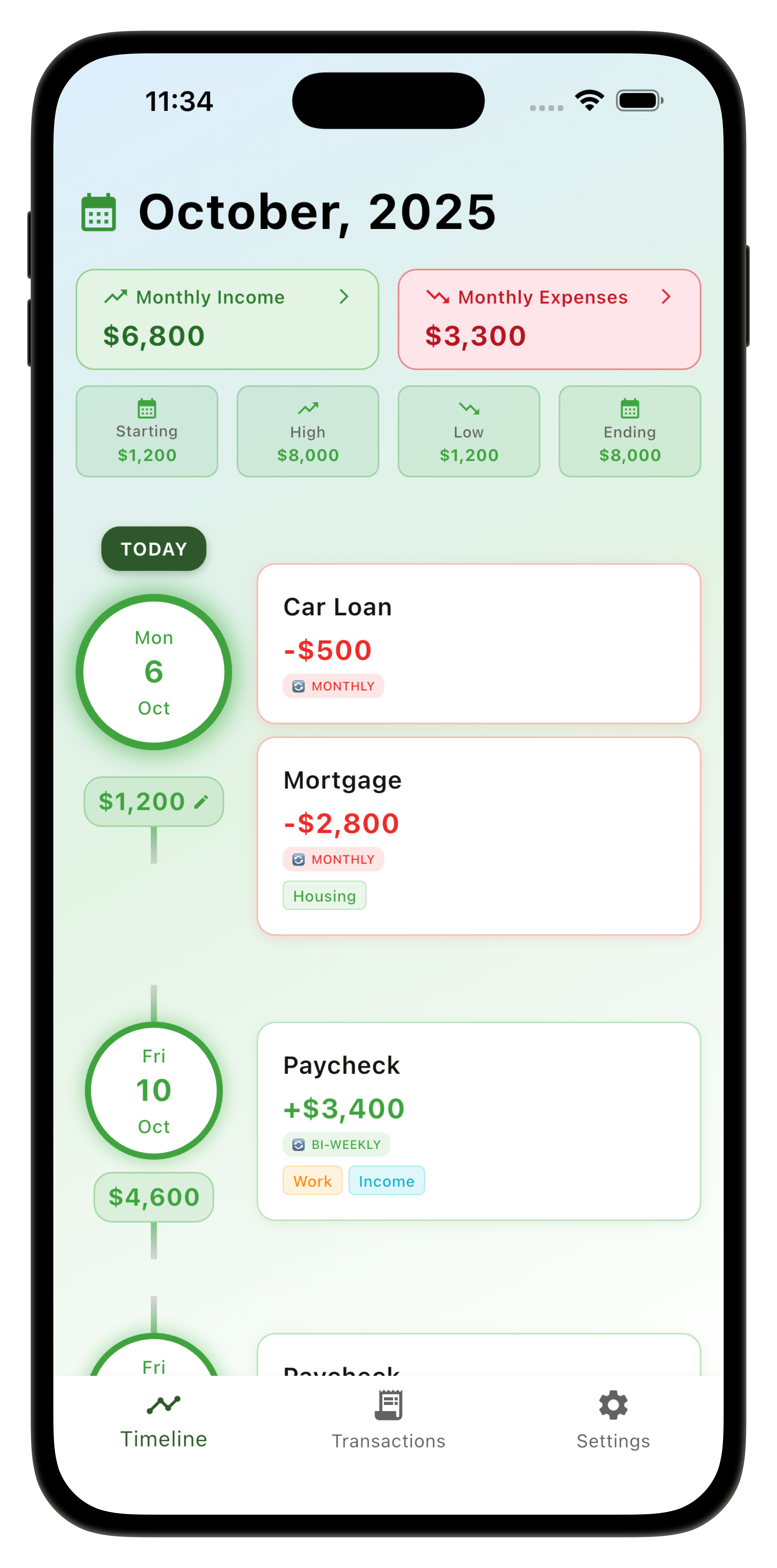
The first step to sustainable budgeting is understanding where your money comes from and where it goes. This is where the Am I Good app shines—offering a straightforward way to track your income and expenses without requiring personal accounts or data sharing.
Actionable Steps:
- Create a Simple Income List: Write down all sources of income, including your salary, freelance work, and any side hustles.
- Log Your Expenses: For a month, track every expense. Use categories like groceries, utilities, transportation, and entertainment.
Real-World Example:
Imagine you’re a military family frequently moving from one base to another. Keeping your budgeting simple means you can adapt quickly to new locations. For instance, if you notice higher grocery prices in one area, adjusting your budget for that month can help you adapt without stress.
2. Set Clear, Achievable Goals
Establishing clear financial goals is essential for sustainable budgeting. Instead of vague objectives like “save more,” set specific, measurable targets.
Actionable Steps:
- Short-Term Goals: Save for a vacation or pay off a small debt. Aim for a specific amount and a timeline—like saving $500 in three months for that weekend getaway.
- Long-Term Goals: Think about retirement or buying a home. Break these down into yearly savings targets to make them more manageable.
Mindset Shift:
Instead of viewing budgeting as a chore, think of it as a way to empower your future. A positive mindset about your goals will make the process feel less daunting.
3. Embrace the 50/30/20 Rule
One of the simplest budgeting techniques is the 50/30/20 rule, where you allocate your income as follows:
- 50% for Needs: Rent, utilities, groceries—essentials you can’t avoid.
- 30% for Wants: Dining out, hobbies, and entertainment—this is your fun money.
- 20% for Savings and Debt Repayment: Put this toward emergency funds, retirement accounts, or paying off debt.
Actionable Steps:
- Use the Am I Good app to categorize your spending. This method allows you to see if your spending aligns with these percentages and adjust accordingly.
4. Maintain Financial Privacy
In today’s digital age, protecting your financial information is more important than ever. Here are some tips to maintain your financial privacy while budgeting:
Actionable Steps:
- Avoid Sharing Sensitive Data: Stick to budgeting methods that don’t require you to input personal information. The Am I Good app is designed with privacy in mind, ensuring you don’t have to share your data.
- Use Cash for Discretion: If you prefer privacy in your spending, consider using cash for discretionary purchases. This way, you maintain control without leaving a digital footprint.
Real-World Example:
If you’re often on the move, using cash can simplify your budgeting. It helps you stick to your budget without the temptation of overspending through online transactions.
5. Implement Stress-Reduction Techniques
Money can be a significant source of stress for many people. Incorporating stress-reduction techniques into your financial management can help you maintain a healthy relationship with money.
Actionable Steps:
- Regular Check-Ins: Set aside 15 minutes each week to review your budget. This simple practice can prevent overwhelming feelings and help you stay on track.
- Mindfulness Practices: Consider meditation or breathing exercises when you feel anxious about finances. A clear mind can lead to better decision-making.
Mindset Shift:
Instead of fearing your financial situation, view budgeting as a tool for empowerment. Acknowledge that mistakes are part of the learning process and focus on progress rather than perfection.
Conclusion: Simple Steps Lead to Long-Term Success
Sustainable budgeting doesn’t have to be a complex and invasive process. By focusing on simple, actionable strategies, maintaining financial privacy, and embracing a positive mindset, you can achieve long-term financial success. Remember, it’s about creating a budget that works for you—one that adapts to your life and empowers your financial future.
With the Am I Good app, you can achieve this simplicity without compromising your privacy. Start your journey today, and enjoy the peace of mind that comes with knowing you’re in control of your finances.
Ready for simple, private budgeting? Try Am I Good? and track your income and expenses effortlessly—no accounts, no data sharing, just straightforward financial awareness.