EMT Exam Prep 2025
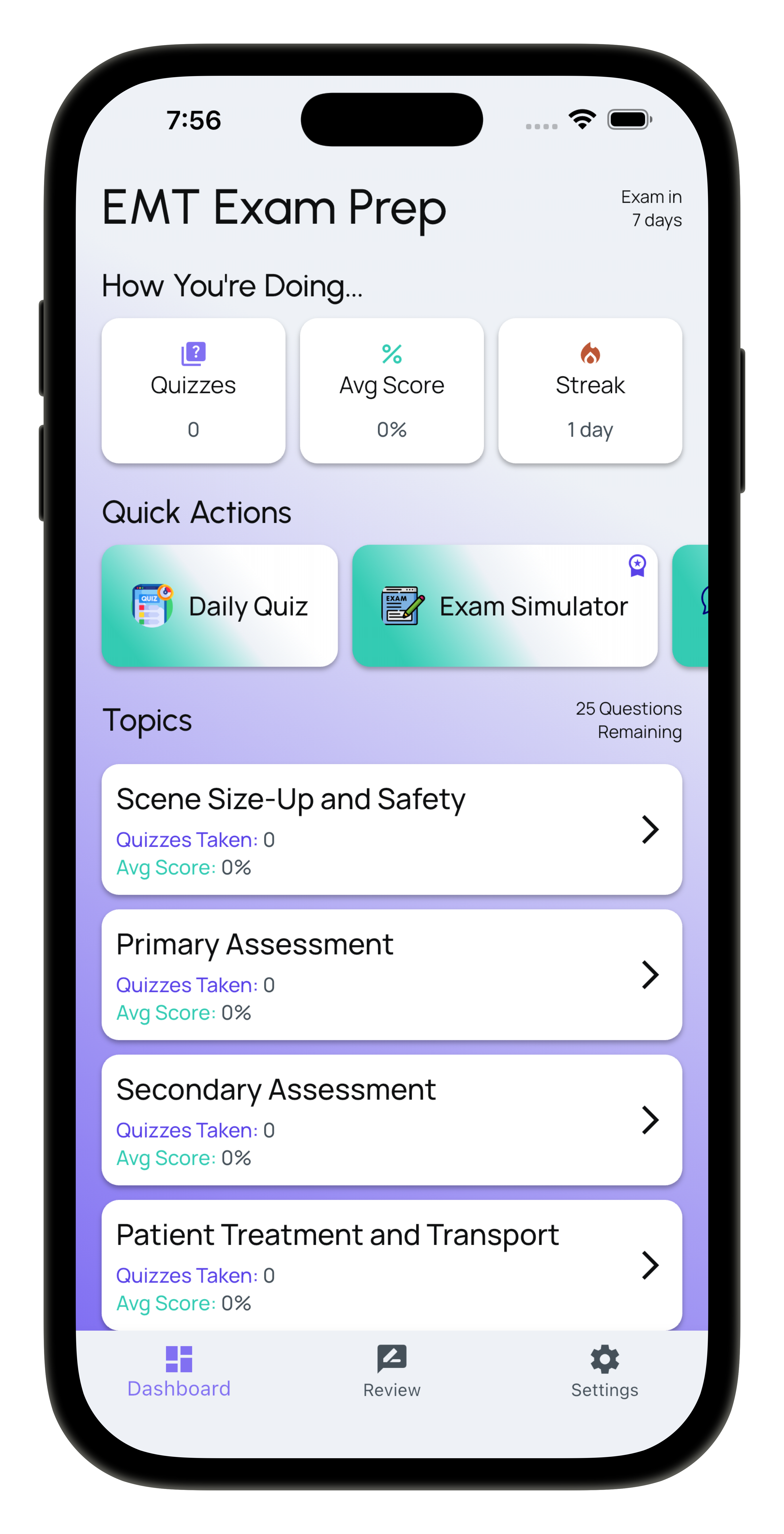
Entering the world of emergency medical services (EMS) can be both exciting and intimidating, especially when it comes to the practical skills testing that all EMT candidates must complete to earn their National Registry of Emergency Medical Technicians (NREMT) certification. While theoretical knowledge is essential, practical skills are the backbone of effective emergency care. The good news is that confidence in your practical skills can be developed with the right strategies, preparation, and mindset. In this blog post, we’ll explore actionable tips and techniques to help you build confidence for your EMT skills testing.
Understanding the Practical Skills Testing Format
Before diving into preparation strategies, it’s crucial to understand what to expect during your practical skills testing. The NREMT practical exam assesses your ability to perform critical skills necessary for patient care. This includes various scenarios like:
- Patient assessment
- Airway management
- CPR and AED use
- Trauma assessment
- Medical emergencies
Each skill is evaluated based on a set of performance criteria established by the NREMT. Familiarizing yourself with these criteria will help you understand what examiners are looking for and give you a clear roadmap for your practice.
Study the NREMT Skill Sheets
The NREMT provides skill sheets for each practical skill, outlining the necessary steps and performance criteria. Thoroughly reviewing these sheets will give you a solid understanding of the essential components of each skill. Here are some practical tips:
-
Create a Study Schedule: Dedicate specific days and times to focus on each skill. Breaking down the skills into manageable segments will prevent feeling overwhelmed.
-
Use EMT Exam Prep Resources: Leverage our mobile app for NREMT-style practice questions and detailed explanations that can reinforce your understanding of practical skills and scenarios.
Practicing Skills in a Controlled Environment
Once you have a solid understanding of the skills, the next step is practical application. Practice is essential to building confidence, so here’s how to effectively train:
Partner Up for Skill Drills
Working with a study partner can provide mutual support and constructive feedback. Here’s how to maximize your practice sessions:
- Role-Playing: Simulate real-life scenarios, switching roles between patient and EMT. This will help you think critically and act decisively under pressure.
- Timed Drills: Set a timer to mimic testing conditions. This will help you learn to manage your time effectively and build familiarity with the pacing required during the exam.
Attend Skills Labs
If your school or training program offers skills labs, take full advantage of them. Labs provide hands-on experience with equipment and scenarios that you will encounter during the exam. During these sessions:
- Ask Questions: Don’t hesitate to seek clarification from instructors. Understanding the rationale behind each step fosters confidence.
- Request Feedback: After performing a skill, ask for specific feedback to identify areas for improvement.
Visualization and Mental Rehearsal
Building confidence isn’t just about physical practice; mental preparation plays a vital role too. Visualization can significantly enhance your confidence levels. Here are some techniques:
Visualize Success
Before your exam, take a few moments to visualize yourself performing each skill flawlessly. Imagine the exam environment, the equipment, and the feedback from evaluators. This mental rehearsal can reduce anxiety and improve your performance by:
- Creating Positive Associations: By picturing yourself succeeding, you create a positive mindset that can translate into actual performance.
- Preparing for Challenges: Anticipate potential challenges and visualize how you will handle them calmly and effectively.
Stress Management Techniques
Anxiety can hinder your ability to perform on exam day. Implementing stress management techniques can be beneficial:
- Deep Breathing Exercises: Practice deep breathing to calm your mind and body before and during the exam.
- Mindfulness Practices: Incorporate mindfulness techniques to maintain focus and reduce anxiety.
The Importance of a Support System
Having a support system during your EMT training can bolster your confidence. Surround yourself with individuals who encourage and motivate you. Here’s how to build that network:
- Connect with Peers: Form study groups where you can share resources, practice skills, and support one another through the process.
- Seek Mentorship: Find a mentor in the EMS field who can provide guidance, share their experiences, and offer valuable insights into the practical testing process.
Practical Takeaways
To summarize, here are key takeaways for building confidence in your practical EMT skills testing:
- Understand the Testing Format: Familiarize yourself with the NREMT skill sheets and performance criteria.
- Practice Regularly: Engage in role-playing, timed drills, and skills labs to reinforce your practical abilities.
- Utilize Visualization Techniques: Visualize success and practice stress management to enhance performance.
- Build a Support System: Surround yourself with peers and mentors who can provide encouragement and constructive feedback.
Conclusion
Building confidence for your practical EMT skills testing is an essential part of your journey toward NREMT certification. By understanding the testing format, practicing regularly, employing visualization techniques, and surrounding yourself with a supportive network, you can approach your skills exam with assurance and competence. Remember, confidence is built through preparation, and with the right tools and mindset, you can succeed in your EMT certification journey. Embrace the challenge, and know that each step you take brings you closer to becoming a competent and confident EMT.
Ready to become a certified EMT? Try EMT Exam Prep 2025 for comprehensive NREMT-style practice questions with detailed explanations covering all essential certification content areas.