Am I Good? - Simple Budgeting
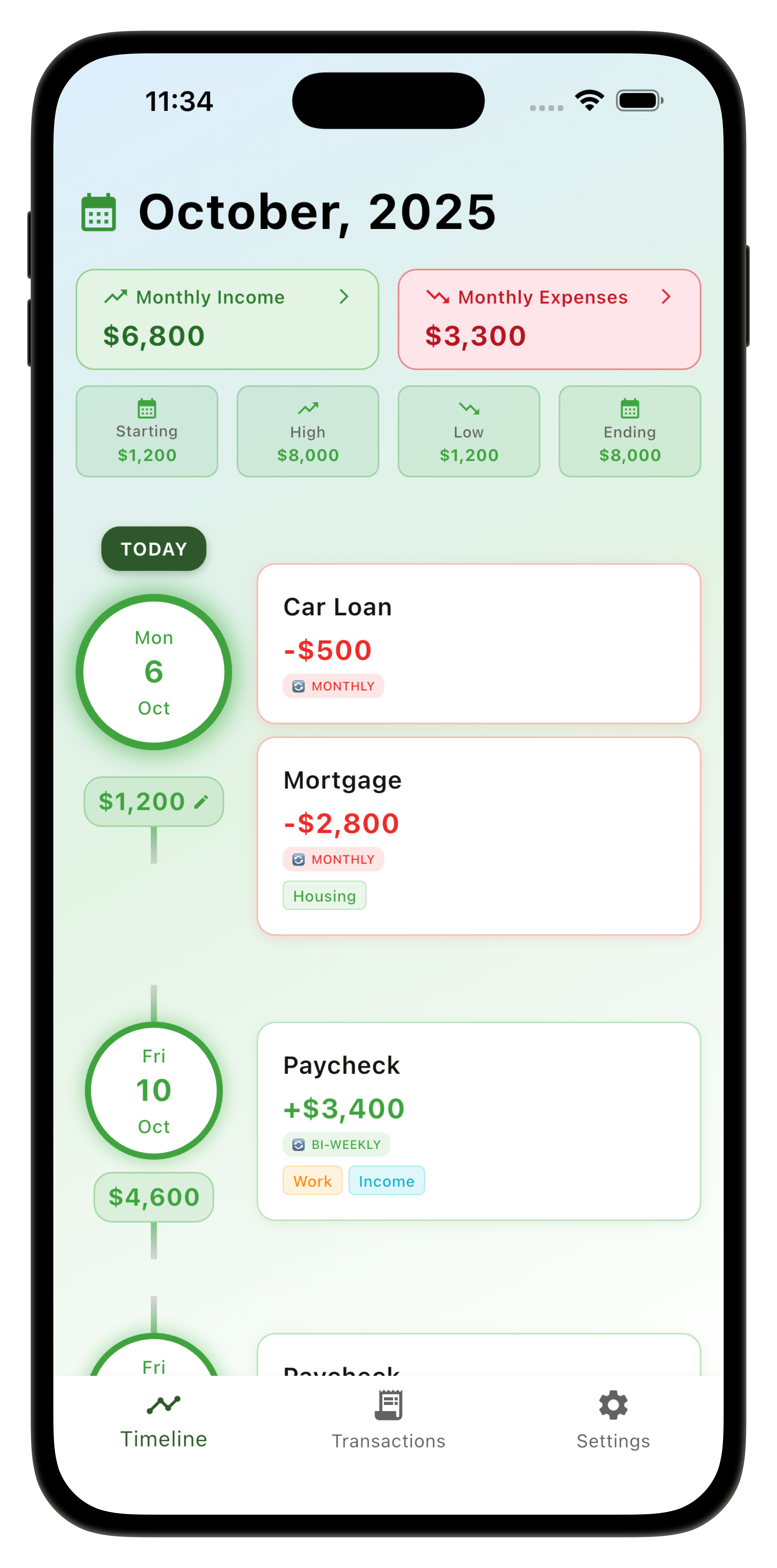
Understanding the psychology behind spending can feel like a daunting task, but it doesn’t have to be. At Am I Good, we believe that financial management should be simple, approachable, and most importantly, respectful of your privacy. Whether you’re a military family constantly on the move or someone simply overwhelmed by complex budgeting apps, we’re here to guide you through the intricacies of spending habits and how to track your budget without the stress.
Understanding Your Spending Triggers
Before diving into budgeting techniques, it’s essential to recognize what influences your spending. Here are some common triggers to consider:
- Emotional Spending: Many people shop to cope with stress, sadness, or anxiety. Recognizing this pattern can help you pause before making impulsive purchases.
- Social Influence: Keeping up with friends or societal trends can lead to unnecessary spending. Reflecting on your values can help you make choices that align with your true self.
- Environmental Cues: Sales promotions or flashy advertisements can entice you to buy things you don’t need. Awareness of these triggers can empower you to resist temptation.
By identifying what prompts your spending, you can begin to make more intentional choices.
Simple Budgeting Techniques
Budgeting doesn’t have to be complicated. Here are a few straightforward techniques that can help you track your income and expenses effectively:
1. The Envelope Method
This classic technique involves dividing your cash into envelopes designated for different spending categories (like groceries, entertainment, and savings). When the envelope is empty, you know it’s time to stop spending in that area. This visual method makes it easy to see where your money is going.
2. The 50/30/20 Rule
This simple framework allocates your income as follows:
- 50% for Needs: Housing, food, and essential bills.
- 30% for Wants: Dining out, hobbies, and non-essential expenses.
- 20% for Savings and Debt Repayment: Building an emergency fund or paying off student loans.
This approach allows for flexibility in your spending while ensuring you prioritize savings and necessities.
3. Monthly Review
Take a moment at the end of each month to review your spending. Look over your expenses and categorize them. This doesn’t have to be a lengthy process—just a few simple notes about what went well and what could improve can set you up for success next month.
Practical Strategies for Financial Privacy
Privacy is paramount in our modern age, especially when it comes to finances. Here are some simple strategies to maintain your financial privacy while budgeting:
-
No Accounts Needed: With Am I Good, you don’t need to create an account or share personal information. You can track your income and expenses without the fear of data breaches.
-
Avoid Linking Cards: Instead of linking bank accounts or cards to budgeting apps, consider using cash or a simple spreadsheet. This ensures that your financial data remains private.
-
Secure Your Records: If you choose to keep a written budget, consider storing it in a safe place away from prying eyes. A locked drawer or a password-protected digital file can help maintain your privacy.
Mindset Shifts for Sustainable Financial Health
Your mindset about spending can greatly influence your financial wellness. Here are some shifts to consider:
-
Focus on Value, Not Price: Rather than simply seeking the cheapest option, ask yourself if what you’re buying adds value to your life. This can shift your perspective from frugality to intentionality.
-
Embrace Delayed Gratification: Instead of making impulse purchases, wait 24 hours before deciding to buy. This gives you time to reflect on whether the purchase aligns with your financial goals.
-
Celebrate Small Wins: When you successfully stick to your budget or save a little extra, celebrate it! This positive reinforcement can motivate you to maintain your financial habits.
Stress-Reduction Approaches to Money Management
Managing your finances can be a source of stress, but it doesn’t have to be. Here are some ways to reduce anxiety around budgeting:
-
Set Realistic Goals: Instead of aiming for perfection, set achievable financial goals. Celebrate progress, no matter how small.
-
Practice Mindfulness: Incorporate mindfulness techniques, like deep breathing or meditation, to help you stay calm when thinking about your finances.
-
Limit Financial News Consumption: While it’s essential to stay informed, constant exposure to financial news can add to your stress. Set boundaries around how much news you consume.
Real-World Examples
Let’s consider a real-world scenario. Sarah, a military spouse, moves frequently and struggles with keeping her budget organized. She decides to adopt the envelope method. By setting aside cash for her monthly expenses, she gains clarity on her spending. Over time, she learns to identify her triggers and finds that dining out is her biggest weakness. By focusing on cooking at home, she not only saves money but also enjoys quality time with her family.
Another example is Tom, a freelancer who often feels overwhelmed by fluctuating income. He implements the 50/30/20 rule, which allows him to allocate his earnings in a structured way. By tracking his spending in simple categories, he gains confidence in his financial decisions and reduces stress around budgeting.
Conclusion
The psychology of spending can be complex, but budgeting doesn’t have to be. By implementing simple techniques, maintaining your financial privacy, and shifting your mindset, you can create a sustainable approach to managing your money. Remember, at Am I Good, we value simplicity and privacy, making budgeting feel accessible and stress-free. Take these strategies to heart, and embark on your journey to financial wellness with confidence!
Ready for simple, private budgeting? Try Am I Good? and track your income and expenses effortlessly—no accounts, no data sharing, just straightforward financial awareness.