EMT Exam Prep 2025
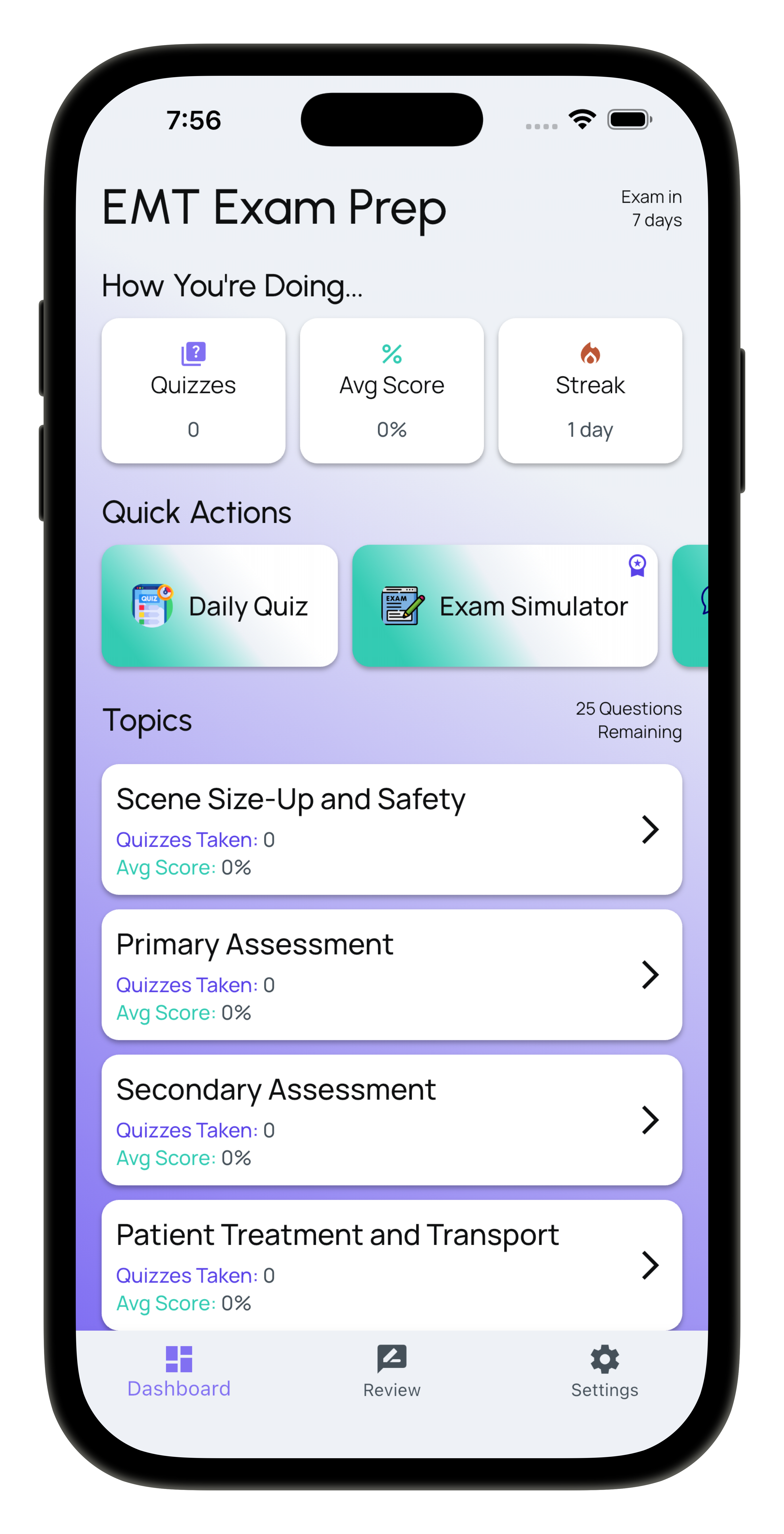
Effective time management is a critical skill for Emergency Medical Technicians (EMTs) both in the field and during exams. The ability to prioritize tasks, think quickly, and execute efficiently can mean the difference between life and death in real emergencies, as well as a passing or failing score on the National Registry of Emergency Medical Technicians (NREMT) certification exam. In this blog post, we will explore practical time management strategies that will help you excel in both your EMT exams and real-world emergency situations.
Understanding the Importance of Time Management
In the high-stakes environment of emergency medicine, time is often your most precious resource. Patients may require immediate care, and any delays can lead to deteriorating conditions. Similarly, during the NREMT exam, understanding how to manage your time effectively can help you complete each section and maximize your score. By honing your time management skills, you will be better prepared to handle both scenarios with confidence and competence.
Strategies for Effective Time Management During EMT Exams
1. Familiarize Yourself with the Exam Format
Before diving into your studies, take the time to understand the structure of the NREMT exam. The test consists of multiple-choice questions that assess various domains of knowledge, including patient assessment, airway management, and medical emergencies. Familiarity with the exam format can help you allocate your time wisely.
Tip: Review the NREMT candidate handbook to understand the number of questions, time limits, and the scoring process. This will help you strategize how much time to spend on each question.
2. Practice with Timed Mock Exams
One of the most effective ways to improve your time management skills is through practice. Use the EMT Exam Prep mobile app to take timed mock exams that simulate the NREMT experience. This will not only help you get accustomed to the timing but also allow you to identify areas where you may need to improve your knowledge.
Actionable Strategy: Set a timer for each section of practice questions, and strive to complete them in less time than you are allotted. Afterward, analyze your performance to determine if you rushed through any questions or if you spent too much time on difficult ones.
3. Prioritize Questions Strategically
During the actual exam, it can be tempting to dwell on questions that are particularly challenging. Instead, practice the art of strategic prioritization. Answer the questions you are confident about first, and mark the difficult ones for review later. This approach allows you to secure points early on and manage any remaining time more effectively.
Tip: If you find yourself spending more than a minute on a question, mark it and move on. Come back to it if time permits. This helps reduce anxiety and ensures that you have time to answer all questions.
Time Management in Real Emergencies
1. Assessing the Situation Quickly
In emergency situations, the first step is to conduct a rapid scene assessment. This involves evaluating the safety of the environment, identifying the number of patients, and determining their immediate needs. Quick decision-making is crucial here, as it helps you prioritize your actions based on the most urgent medical concerns.
Example: When arriving at an accident scene, assess whether there are any hazards (e.g., fire, traffic) before approaching the patients. If there are multiple victims, use the triage system to categorize patients based on the severity of their injuries.
2. Implementing the ABCs of Patient Care
Time management in emergencies often hinges on following established protocols. The ABCs of patient care—Airway, Breathing, and Circulation—should be your guiding principle. Focus on ensuring the airway is clear, assessing breathing, and checking circulation.
Practical Application: If you encounter a patient in respiratory distress, prioritize airway management first. Use tools like oropharyngeal airways or bag-valve masks efficiently to stabilize the patient, allowing you to move on to the next critical intervention.
3. Delegate When Necessary
In a chaotic emergency environment, it’s important to remember that you don’t have to do everything yourself. If you are working with a team, delegate tasks based on each member’s strengths and expertise. This allows for more efficient use of time and resources.
Tip: Quickly assign roles during an emergency response, such as designating someone to call for additional resources or someone else to provide patient care. This coordination can streamline the response and improve patient outcomes.
Practical Takeaways for EMT Candidates
- Practice regularly: Use the EMT Exam Prep app to take timed practice exams and quizzes that replicate the NREMT format.
- Stay organized: Keep a study schedule that outlines your content review, practice tests, and revision periods leading up to the exam.
- Simulate real scenarios: Engage in hands-on training and simulations to build your confidence and improve your response time in emergencies.
- Reflect and adapt: After each practice exam or real emergency response, take time to evaluate what strategies worked and what could be improved.
Conclusion
Mastering time management is essential for success in both the NREMT certification exam and real-world emergency situations. By implementing effective strategies, such as familiarizing yourself with the exam format, practicing under timed conditions, and applying the ABCs of patient care, you can enhance your performance and ultimately achieve your certification goals. The EMT Exam Prep mobile app is here to support your journey, providing you with the resources you need to manage your study time effectively and prepare for the challenges ahead. Remember, time is a valuable resource—manage it wisely, and you will be well on your way to becoming a successful EMT.
Ready to become a certified EMT? Try EMT Exam Prep 2025 for comprehensive NREMT-style practice questions with detailed explanations covering all essential certification content areas.