Am I Good? - Simple Budgeting
Life as a military family often comes with unique challenges, one of the most significant being frequent relocations. Whether you’re moving across the country or overseas, managing your budget can feel like an uphill battle. However, embracing simplicity and privacy in your financial planning can transform this challenge into an opportunity for financial wellness. In this post, we’ll explore practical budgeting strategies tailored for military families, emphasizing privacy and ease.
Understanding Your Financial Landscape
1. Track Your Income and Expenses
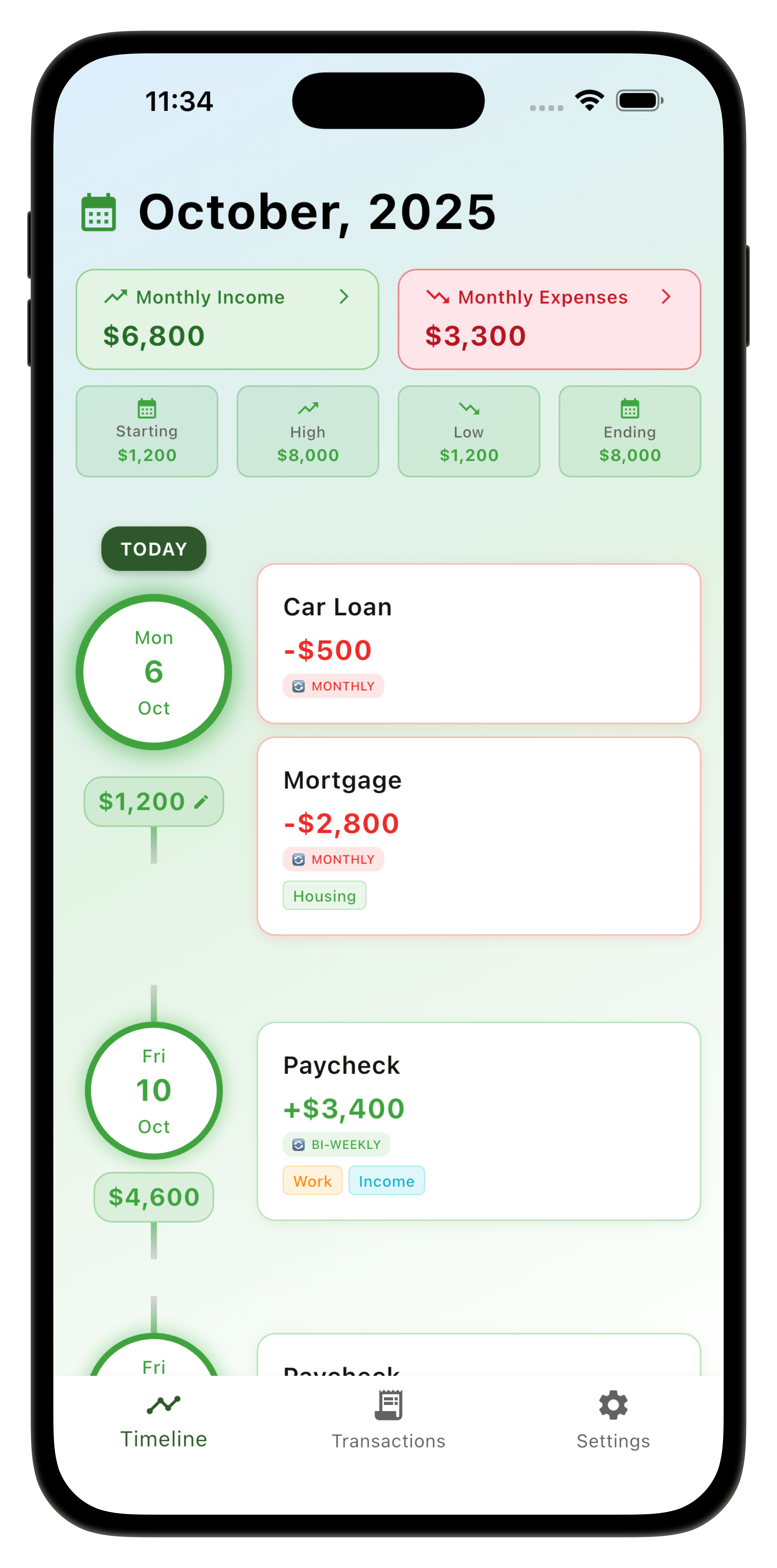
Before you can create a budget, it’s crucial to understand your financial situation. Start by tracking your income and expenses. This doesn’t have to be complicated! With a simple app like Am I Good, you can easily log your income and expenses without creating accounts or sharing your data.
Actionable Tip: Dedicate a few minutes each week to jot down your earnings and expenditures. This habit will help you identify spending patterns and areas where you can cut back.
2. Create a Flexible Budget
Military families often face uncertainty regarding income, especially with deployment or changes in assignments. A flexible budget allows for adjustments based on your current situation.
Actionable Tip: Use a basic framework for your budget, such as the 50/30/20 rule—50% for needs, 30% for wants, and 20% for savings. Adjust these percentages as necessary to fit your changing circumstances.
Maintaining Financial Privacy
3. Choose Privacy-Focused Tools
In today’s digital age, financial privacy is more important than ever. Many budgeting apps require account creation and data sharing, which can feel invasive. Opt for tools that prioritize privacy, like Am I Good, where you can manage your finances without sacrificing your personal information.
Actionable Tip: When selecting financial tools, look for those that don’t require sensitive data. Keep your financial information secure by using offline methods, such as spreadsheets or handwritten ledgers, for tracking expenses.
Simple Budgeting Techniques
4. Use the Envelope System
The envelope system is a straightforward budgeting technique that can help you manage your spending effectively. Designate specific envelopes for different expense categories (groceries, entertainment, etc.) and fill them with cash or a set budget.
Real-World Example: A military family moving to a new base might allocate a specific amount for moving costs and household items. By using envelopes, they can visually track their spending and stay within budget.
Actionable Tip: When you spend from an envelope, make it a habit to log it in your budgeting tool immediately. This practice keeps you aware of your spending in real time.
5. Prioritize Needs Over Wants
In times of transition, it’s easy to get caught up in spending on wants rather than focusing on needs. Prioritizing essential expenses—such as housing, food, and transportation—can help you maintain financial stability.
Mindset Shift: Before making a purchase, ask yourself if it aligns with your current needs. This simple question can help you resist impulse buying and keep your budget in check.
Stress-Reduction Approaches to Money Management
6. Establish an Emergency Fund
An emergency fund acts as a safety net during uncertain times, which is especially important for military families who may face sudden relocations or changes in income. Aim to save three to six months’ worth of living expenses.
Actionable Tip: Set up a separate savings account specifically for emergencies. Automate small transfers into this account each month to build your fund gradually.
7. Communicate Openly About Finances
Having open conversations about money with your partner can reduce stress and ensure you’re both on the same page regarding financial goals. Discuss your budget, any upcoming expenses, and your savings strategy.
Real-World Example: A couple preparing for a move might discuss how they will allocate their savings for new furniture or travel expenses. By setting shared goals, they can work together to manage their finances effectively.
Embrace the Journey
Budgeting as a military family doesn’t have to feel overwhelming. By implementing these simple strategies, you can navigate your finances with confidence, even amid frequent relocations. Remember, the key is to prioritize privacy and simplicity—values at the heart of the Am I Good philosophy.
Actionable Summary
- Track Your Income and Expenses: Dedicate time weekly to log your finances.
- Create a Flexible Budget: Use the 50/30/20 rule as a flexible guide.
- Choose Privacy-Focused Tools: Opt for budgeting methods that don’t require sensitive data.
- Use the Envelope System: Allocate cash for different spending categories.
- Prioritize Needs Over Wants: Focus on essential expenses before making purchases.
- Establish an Emergency Fund: Save for unexpected costs to alleviate stress.
- Communicate Openly About Finances: Discuss your financial goals with your partner.
By incorporating these tips and techniques into your financial routine, you can foster a sense of control and reduce stress while managing your budget. Remember, financial wellness is a journey, not a destination—take it one step at a time, and you’ll find your rhythm. Happy budgeting!
Ready for simple, private budgeting? Try Am I Good? and track your income and expenses effortlessly—no accounts, no data sharing, just straightforward financial awareness.