ScoreShare
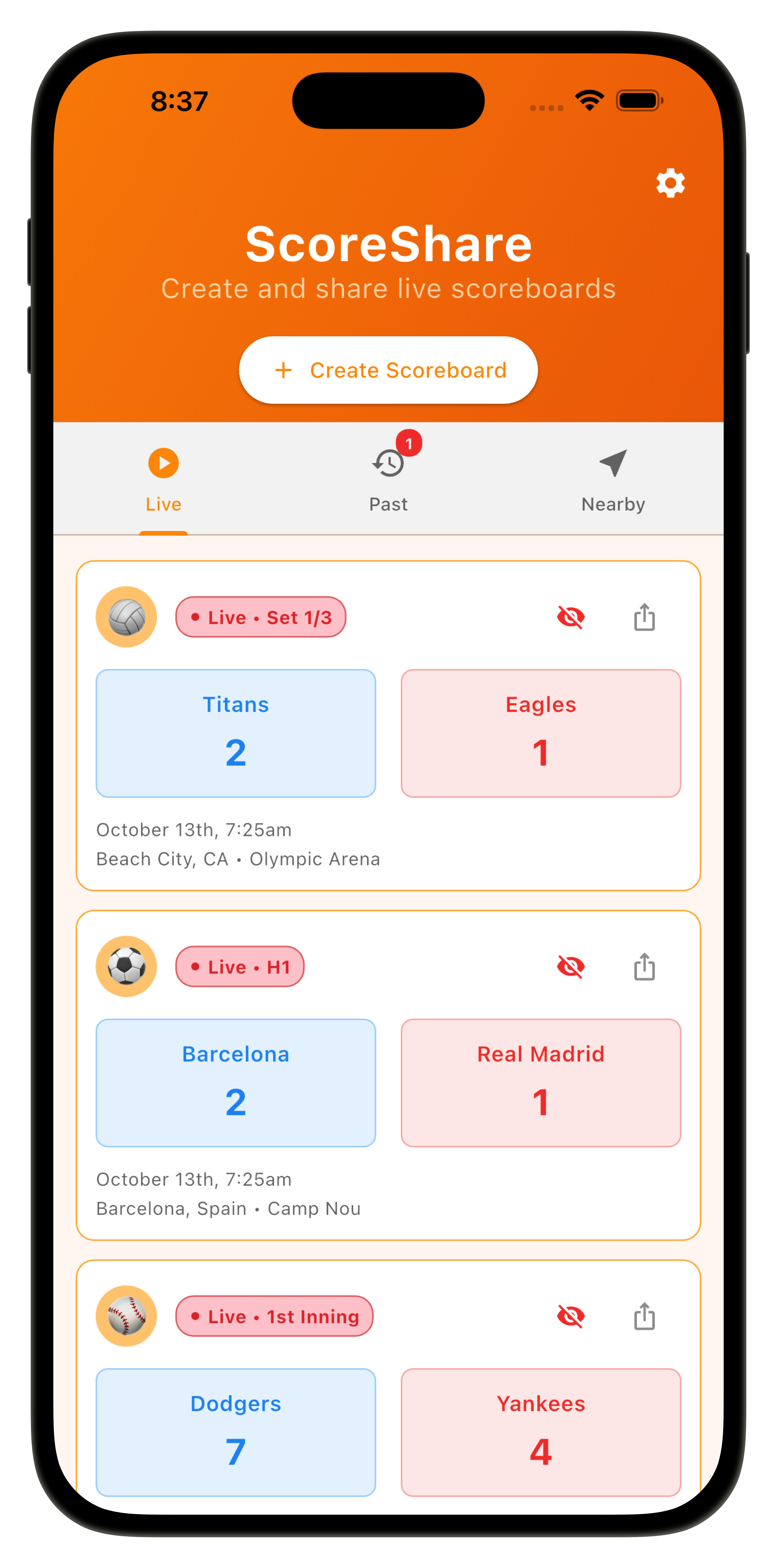
In the vibrant world of sports, competition fuels our passion, drives our ambitions, and fosters connections. Whether you’re a parent cheering from the sidelines, a coach strategizing in huddles, or a player in the heat of the game, the thrill of competition is palpable. But what if we told you that the act of scorekeeping, often overlooked, plays a pivotal role in shaping our sports experiences and enhancing community bonds?
In this blog post, we’ll delve into the psychology of competition and scorekeeping, providing practical insights into how technology like ScoreShare can elevate engagement, foster community, and create unforgettable experiences in sports.
The Psychology Behind Competition
Competition is more than just a race to the finish line; it’s a fundamental part of our human experience. Psychologically, competition comes with a range of benefits:
-
Motivation and Goal Setting: Competing gives individuals a clear objective to strive for, whether it’s winning a game or improving personal performance. It encourages goal setting and a commitment to improvement.
-
Team Cohesion: Working towards a common goal fosters camaraderie among teammates, strengthening relationships and creating a sense of belonging.
-
Resilience and Growth: Competitive environments teach valuable life lessons about perseverance, handling defeat, and celebrating victories. This resilience can be applied in various aspects of life beyond sports.
Recognizing these psychological benefits can help coaches and organizers create more engaging and supportive environments for players and fans alike.
The Importance of Scorekeeping
Scorekeeping is essential in sports, serving as the backbone of competition. But beyond tallying points, scorekeeping has several psychological and community-building benefits:
-
Tracking Progress: Keeping score allows players to see their growth over time. This data can motivate players to improve, pushing them to reach personal bests and team goals.
-
Engaging Fans and Families: Scorekeeping involves everyone, not just the players. Family members and fans can feel more invested in the game when they understand the score and context, enhancing their overall experience.
-
Creating Memorable Moments: Scores can tell stories. A dramatic comeback or a winning goal in the last seconds becomes part of the community’s narrative, fostering shared memories among players and fans.
Tips for Better Fan Engagement and Organization
To enhance the experience for everyone involved, here are some actionable tips for improving fan engagement and sports organization:
1. Utilize Technology for Real-Time Updates
Tools like ScoreShare allow teams to create and share live scoreboards instantly. By embracing technology, you can keep fans updated in real-time, even if they can’t physically attend the game. Encourage fans to download the app to receive live notifications and updates, allowing them to cheer on their teams from anywhere.
2. Foster Interactive Experiences
Engaging fans isn’t just about keeping score; it’s about creating interactive experiences. Host trivia games related to your team and sport, or encourage fans to share their own game-day experiences on social media. Highlight the best posts during halftime to create a sense of community and shared enthusiasm.
3. Organize Post-Game Celebrations
After a game, consider hosting a small gathering or celebration. Whether it’s a potluck, pizza party, or awards ceremony, creating opportunities for players and families to mingle strengthens community ties and encourages future participation.
Real-World Examples and Scenarios
Let’s take a look at how these strategies can be applied in real-world scenarios:
Scenario 1: Youth Soccer League
In a local youth soccer league, a coach uses ScoreShare to keep parents and fans updated on game scores and player stats throughout the season. Parents can follow their child’s progress, creating an engaged community that rallies behind the team. After the season ends, the league hosts an awards night, celebrating not just the winners but also the effort and growth of every player, fostering a culture of support and inclusiveness.
Scenario 2: Recreational Basketball League
A recreational basketball league integrates technology by encouraging teams to share highlights and scores via ScoreShare. Fans can vote for their favorite plays, with the winning team rewarded at the end of the season. This interactive approach gets everyone involved and excited about the games.
Community Building Strategies
Creating a strong sports community takes intention and effort. Here are some strategies to cultivate a deeper connection among players, families, and fans:
-
Encourage Volunteering: Get parents involved in organizing events, scorekeeping, or setting up equipment. This not only lightens the load for coaches but also strengthens community bonds.
-
Create Social Media Groups: Establish a dedicated social media group for your league or team. This can be a space for sharing game highlights, scheduling events, and fostering discussions about upcoming games.
-
Celebrate Diversity: Embrace the diverse backgrounds and abilities of participants. Organize events that celebrate different cultures or skill levels within your community, fostering inclusion and respect.
Conclusion: Unite Through Sports
The combination of competition and scorekeeping has the power to enhance our sports experiences profoundly. By embracing technology like ScoreShare, we can keep fans engaged, celebrate every moment, and build a thriving community around our shared love for sports.
As you gear up for your next game or season, remember that every score tells a story, and every player contributes to the rich tapestry of your sports community. Let’s keep the spirit of competition alive while fostering connections that last a lifetime!
Ready to create unforgettable game experiences? ScoreShare lets you create and share live scoreboards instantly, connecting players, fans, and families in real-time.