EMR Exam Prep
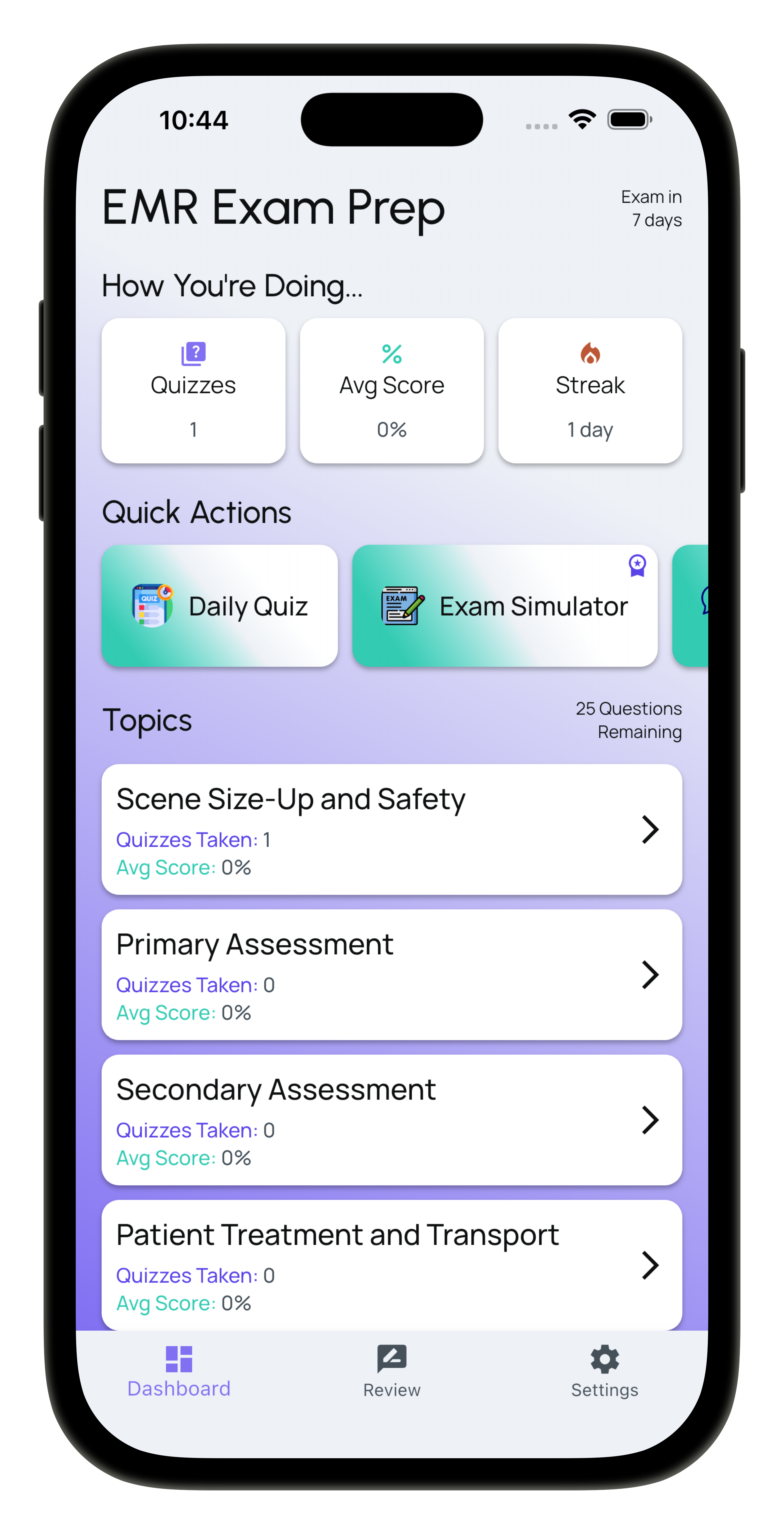
As you embark on your journey to become an Emergency Medical Responder (EMR), understanding the scope of practice and legal considerations is crucial. This knowledge not only ensures your safety and the safety of those you assist but also enhances your effectiveness in emergency situations. In this guide, we’ll cover basic emergency medical concepts and skills, practical training tips, real-world applications, career guidance, and essential safety considerations.
What is the Scope of Practice for EMRs?
The scope of practice defines the specific actions and responsibilities that EMRs are authorized to perform. This can vary by state or region, so it’s critical to familiarize yourself with the regulations in your area. Generally, EMRs are trained to provide basic life support and first aid, including:
- Assessing the Scene: Ensuring the environment is safe before providing care.
- Patient Assessment: Conducting a systematic evaluation of the patient’s condition, including checking responsiveness, airway, breathing, circulation, and any visible injuries.
- Basic Life Support (BLS): Performing CPR, using an Automated External Defibrillator (AED), and managing choking.
- First Aid: Treating wounds, controlling bleeding, and managing shock.
- Emergency Communication: Calling for additional help and providing clear, accurate information to dispatchers and other responders.
Remember: Always operate within your training and local regulations.
Basic Emergency Medical Concepts and Skills
Familiarizing yourself with the basic emergency medical concepts is essential. Here are a few foundational skills you will need:
- CPR: Understand the steps for adult, child, and infant CPR. Regular practice will help you retain these skills.
- Airway Management: Learn techniques for opening and maintaining an airway, including the use of head-tilt/chin-lift and recovery positions.
- Wound Care: Knowing how to clean and dress wounds properly can prevent infection and promote healing.
Study Tip: Use EMR Exam Prep’s practice questions and study materials to reinforce these concepts. Regularly testing your knowledge will help you retain information and prepare for your certification exam effectively.
Practical Training and Study Tips
As an aspiring EMR, hands-on training is invaluable. Here are some tips to maximize your practical training:
-
Engage in Simulations: Participate actively in practice scenarios during your training. Simulations provide a safe environment to apply your skills and build confidence.
-
Study Groups: Join or form a study group with fellow trainees. Discussing concepts and practicing skills together can enhance your understanding and retention.
-
Utilize Resources: Make the most of the resources available through EMR Exam Prep. From practice exams to instructional videos, leveraging these tools can deepen your knowledge base.
-
Ask Questions: Don’t hesitate to ask your instructors for clarification on any topics you find challenging. They’re there to help you succeed.
Real-World Application Examples
Understanding how to apply your training in real-world situations is critical. Here are a few scenarios to consider:
-
Scenario 1: A bystander collapses at a community event. Your training kicks in as you assess the scene for safety, check for responsiveness, and initiate CPR if necessary. Calling for emergency medical services (EMS) promptly is crucial.
-
Scenario 2: You’re at a family gathering, and a child accidentally cuts their hand. You assess the wound, control any bleeding, and apply a clean dressing. Your calm demeanor helps reassure the child and their parents.
In both scenarios, your ability to act swiftly and effectively can make a significant difference in the outcome.
Career Guidance for New EMRs
As you complete your training, consider the following tips to kickstart your career as an EMR:
-
Networking: Connect with local EMS services, volunteer organizations, and community emergency response teams (CERTs). Building relationships can open doors to job opportunities and mentorship.
-
Continued Education: Always look for ways to expand your knowledge. Consider taking additional courses in advanced first aid, wilderness medicine, or specialized rescue techniques.
-
Stay Informed: Keep up with changes in protocols, procedures, and regulations in the EMS field. This can help you remain competent and confident in your role.
-
Volunteering: Gain experience by volunteering with local EMS agencies or community organizations. This not only enhances your skills but also demonstrates your commitment to the field.
Safety Considerations and Best Practices
Safety should always be your top priority when responding to emergencies. Here are some best practices:
- Scene Safety: Evaluate the scene for hazards before approaching. Ensure that it is safe for both you and the patient.
- Personal Protective Equipment (PPE): Use appropriate PPE, such as gloves and masks, to protect yourself and prevent the spread of infections.
- Stay Calm: Your demeanor can influence the patient and bystanders. Remaining calm helps to stabilize the situation and allows you to think clearly.
Final Thoughts
Becoming an Emergency Medical Responder is both a rewarding and challenging journey. By understanding your scope of practice and adhering to legal considerations, you can provide effective and safe care. Remember to take advantage of the resources available through EMR Exam Prep as you build your knowledge and skills. With dedication and practice, you will be well-prepared to make a significant impact in your community.
Stay motivated, keep learning, and remember that every great responder started just where you are today!
Starting your EMR certification journey? Try EMR Exam Prep for practice questions and study materials designed to help you succeed as an Emergency Medical Responder.