EMT Exam Prep 2025
As an Emergency Medical Technician (EMT), you are on the front lines of healthcare, providing critical care in emergencies and saving lives. While your initial certification is a significant accomplishment, the journey doesn’t end there. The field of emergency medical services (EMS) is vast, offering numerous career paths and opportunities for continuing education that can enhance your skills, expand your knowledge, and elevate your professional standing. This blog post aims to guide you through the various career advancements available to EMTs and the continuing education options that can help you achieve your goals.
The Foundation: Understanding the Role of an EMT
Before diving into career paths and educational opportunities, it’s essential to establish a clear understanding of what EMTs do. EMTs are trained to provide basic emergency care and transportation for critical and emergent patients. This includes performing CPR, managing airway obstructions, controlling bleeding, and assisting with medications. Understanding this foundation allows EMTs to make informed decisions about their career development and educational needs.
Career Advancement Opportunities
-
Advanced EMT (AEMT)
The first step in advancing your career may be to pursue the Advanced EMT certification. This role builds upon the foundational skills of a basic EMT by introducing advanced techniques such as intravenous (IV) therapy and the administration of certain medications. The AEMT certification allows you to take on more responsibilities and provide enhanced care in the pre-hospital setting. -
Paramedic
For many EMTs, becoming a paramedic is a natural progression. Paramedics undergo extensive training that includes advanced medical procedures, pharmacology, and patient assessment. Completing a paramedic program can significantly increase your job prospects and salary potential. According to the U.S. Bureau of Labor Statistics, paramedics earn a median annual wage that is substantially higher than that of EMTs. - Specialized Roles
Within the EMS field, there are various specialized roles that EMTs can pursue, including:- Flight Paramedic: Working alongside air medical teams, these professionals provide critical care in high-pressure environments.
- Critical Care Paramedic: This role focuses on providing advanced care to patients during transport to specialized facilities.
- Community Paramedic: This emerging field allows EMTs to provide care in non-emergency settings, focusing on preventive care and health education.
- Leadership and Administrative Roles
As you gain experience, you may consider transitioning into leadership or administrative roles within your organization. Positions such as EMS supervisor, training officer, or director of operations can provide opportunities to influence policy, training, and operational protocols within your EMS agency.
Continuing Education: The Key to Staying Current
-
National Registry of Emergency Medical Technicians (NREMT) Requirements
To maintain your EMT certification, you must complete continuing education (CE) requirements as outlined by the NREMT. This includes obtaining a specific number of CE hours and passing a recertification exam every two years. Staying compliant with these requirements ensures that you remain knowledgeable about the latest EMS protocols and practices. - Professional Development Courses
Enrolling in professional development courses can enhance your skills and expand your knowledge base. Many organizations offer courses that focus on specific topics, such as:- Trauma care
- Pediatric emergencies
- Geriatric care
- Mental health crisis intervention
These courses can provide valuable insights that improve your ability to assess and treat patients effectively.
- Certifications and Specializations
Consider obtaining additional certifications that can set you apart in the job market. Examples include:- Basic Life Support (BLS)
- Advanced Cardiac Life Support (ACLS)
- Pediatric Advanced Life Support (PALS)
- Emergency Medical Responder (EMR)
These certifications not only enhance your skills but also demonstrate your commitment to professional excellence.
- Networking and Mentorship
Engaging with the EMS community can provide you with valuable insights and opportunities. Attend conferences, workshops, and local EMS meetings to network with other professionals. Finding a mentor in the field can offer guidance and support as you navigate your career path.
Practical Study Tips for Continuing Education
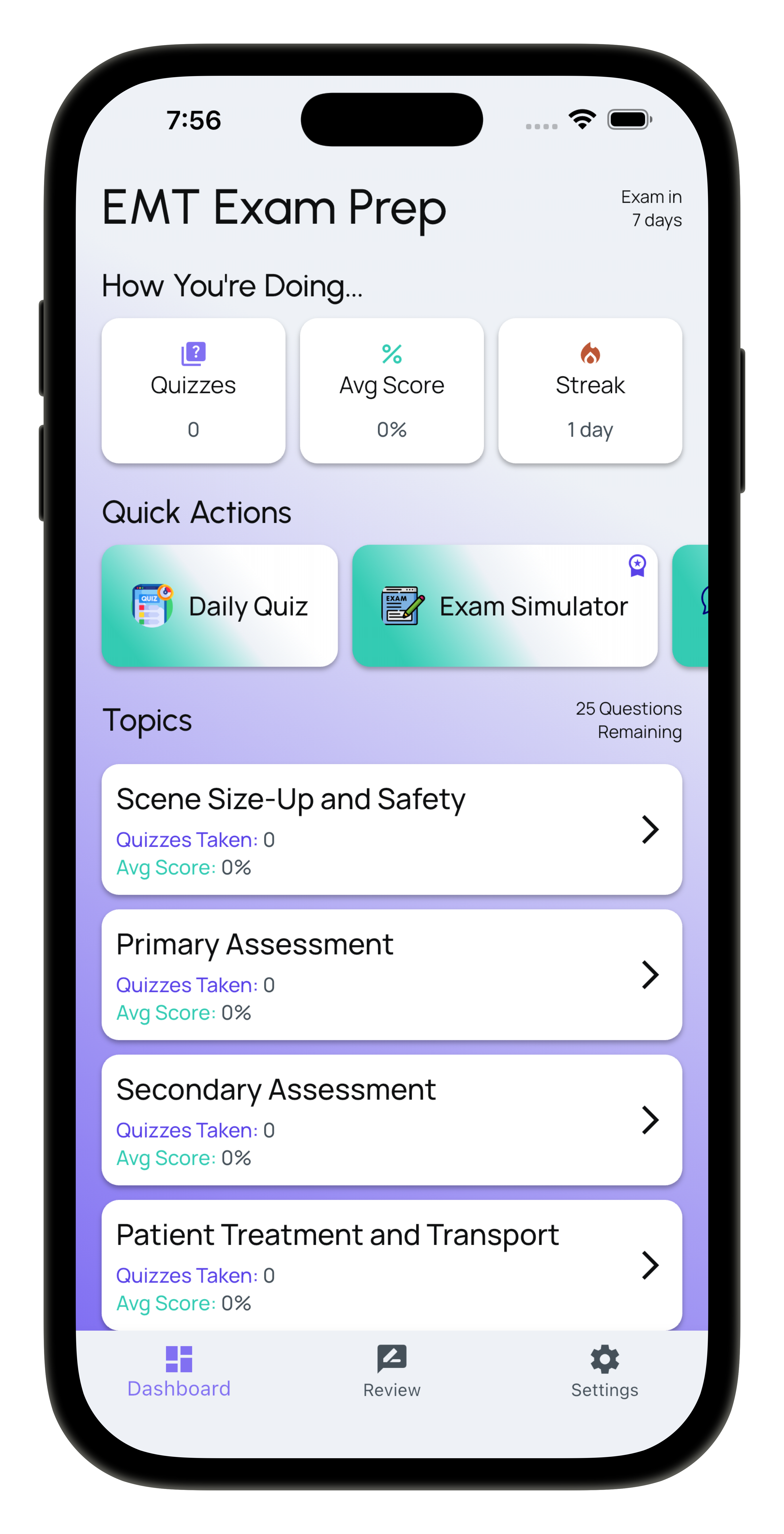
- Utilize Online Resources: Platforms like the EMT Exam Prep app offer NREMT-style practice questions and detailed explanations to help reinforce your learning and prepare you for certification exams.
- Create a Study Schedule: Allocate specific times each week to focus on continuing education topics, ensuring consistent progress and retention of information.
- Join Study Groups: Collaborating with fellow EMTs can facilitate knowledge sharing and deeper understanding of complex topics.
- Engage in Simulation Training: Hands-on practice through simulations can enhance your clinical skills and readiness for real-life scenarios.
Conclusion: Your Path to Success in EMS
The journey of an EMT is filled with opportunities for growth and advancement. By exploring various career paths and committing to continuing education, you can cultivate a fulfilling and impactful career in emergency medical services. Remember, your initial certification is just the beginning. Embrace the resources available to you, such as the EMT Exam Prep app, to enhance your knowledge and skills, ensuring that you remain at the forefront of patient care. As you take charge of your professional development, you will not only achieve success in your career but also make a meaningful difference in the lives of those you serve.
Ready to become a certified EMT? Try EMT Exam Prep 2025 for comprehensive NREMT-style practice questions with detailed explanations covering all essential certification content areas.