Am I Good? - Simple Budgeting
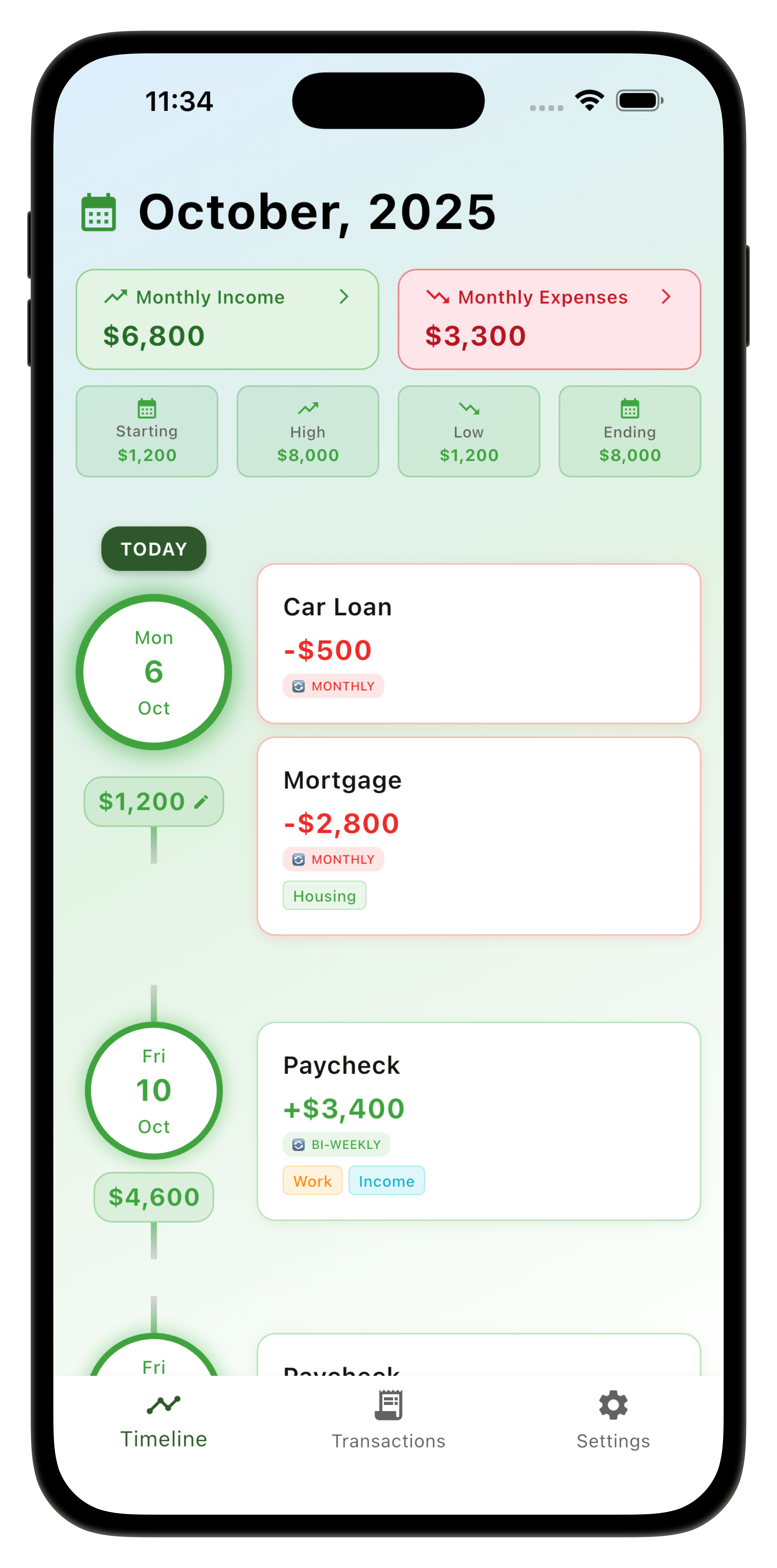
Money matters can often feel overwhelming. Whether you’re juggling bills, planning for the future, or trying to save for a dream, financial stress is a common experience. But it doesn’t have to be that way! With simple, actionable strategies, you can take control of your finances while maintaining your privacy. Let’s explore practical solutions that make budgeting feel accessible and stress-free.
1. Practical Financial Strategies
Start with a Spending Tracker
One of the easiest ways to gain insight into your finances is to track your spending. This doesn’t have to be complicated! With a simple notebook or a privacy-focused app like Am I Good, you can jot down your daily expenses. By doing this, you’ll be able to identify your spending patterns and discover areas where you can cut back. For instance, are you noticing a pattern in takeout expenses? You might decide to cook at home more often, saving money while enjoying some quality family time.
Create a “No-Spend” Challenge
A no-spend challenge can be a fun way to reset your financial habits without feeling deprived. Choose a specific time frame—like one week or one month—during which you only spend on essentials. This simple strategy helps you evaluate what you truly need versus what you desire. Share your goals with family or friends for support, and you might be surprised at how much you save!
2. Maintaining Financial Privacy
In an increasingly digital world, protecting your financial data is crucial. Here are a few tips to safeguard your privacy while managing your finances:
Use Cash When Possible
Using cash for daily expenses can help keep your financial habits private. Cash transactions leave no digital trail, making it easier to manage your spending without the worry of data tracking. Plus, it can be more tangible, as physically handing over money can make you more mindful of your purchases.
Limit Account Creation
Many budgeting apps require extensive account setups and data sharing, which can invade your privacy. Instead, consider using a straightforward budgeting tool that doesn’t require accounts or personal information—like Am I Good. This way, you can track your finances without feeling exposed.
3. Simple Budgeting Techniques
The 50/30/20 Rule
The 50/30/20 rule is a simple budgeting technique that helps you allocate your income effectively. Here’s how it works:
- 50% for needs (housing, utilities, groceries)
- 30% for wants (entertainment, dining out)
- 20% for savings and debt repayment
This straightforward approach allows you to see where your money goes and helps you prioritize your spending while maintaining financial balance.
Set Up Automatic Savings
If saving feels like a daunting task, try automating it. Set up a direct transfer from your checking account to your savings account right after you receive your paycheck. This way, you’re saving without even thinking about it! You can start with a small amount and gradually increase it. Over time, those savings will build up without feeling like a burden.
4. Real-World Examples
Example 1: Military Family Budgeting
Imagine a military family that frequently relocates. They might find budgeting challenging due to changing expenses. To overcome this, they could adopt the envelope system: designate envelopes for different categories (groceries, entertainment, etc.) and fill them with cash at the beginning of the month. This approach provides a visual cue of how much they can spend in each category while maintaining privacy by avoiding digital tracking.
Example 2: The Young Professional
Consider a young professional navigating student loans and a new job. By implementing the 50/30/20 rule, they can allocate funds effectively, allowing for both loan payments and savings. They might also challenge themselves to a no-spend week each month, redirecting those funds into a savings account. This not only helps them manage their current expenses but also builds a safety net for future financial freedom.
5. Stress-Reduction Approaches to Money Management
Embrace a Positive Money Mindset
Changing your mindset around money can significantly reduce stress. Instead of viewing budgeting as a restrictive chore, think of it as a tool for empowerment. Acknowledge that budgeting gives you the control to direct your finances toward your goals. Celebrate small wins, like paying off a bill or reaching a savings milestone, to foster a positive relationship with your money.
Practice Mindfulness
When financial stress creeps in, take a moment to breathe. Mindfulness practices, such as meditation or deep breathing, can help you regain clarity and perspective. Set aside a few minutes each day to reflect on your financial goals. This practice not only calms your mind but also reinforces your commitment to managing your finances sustainably.
Conclusion
Overcoming financial stress doesn’t require a complicated plan or invasive apps. With straightforward solutions, you can achieve financial wellness while maintaining your privacy. By implementing practical strategies, embracing a positive mindset, and celebrating your progress, you’ll find that managing your finances can be simple and stress-free.
At Am I Good, we believe that everyone deserves access to straightforward financial tools that respect their privacy. Start small, stay consistent, and watch as your financial future becomes brighter. Remember, you’ve got this!
Ready for simple, private budgeting? Try Am I Good? and track your income and expenses effortlessly—no accounts, no data sharing, just straightforward financial awareness.