EMR Exam Prep
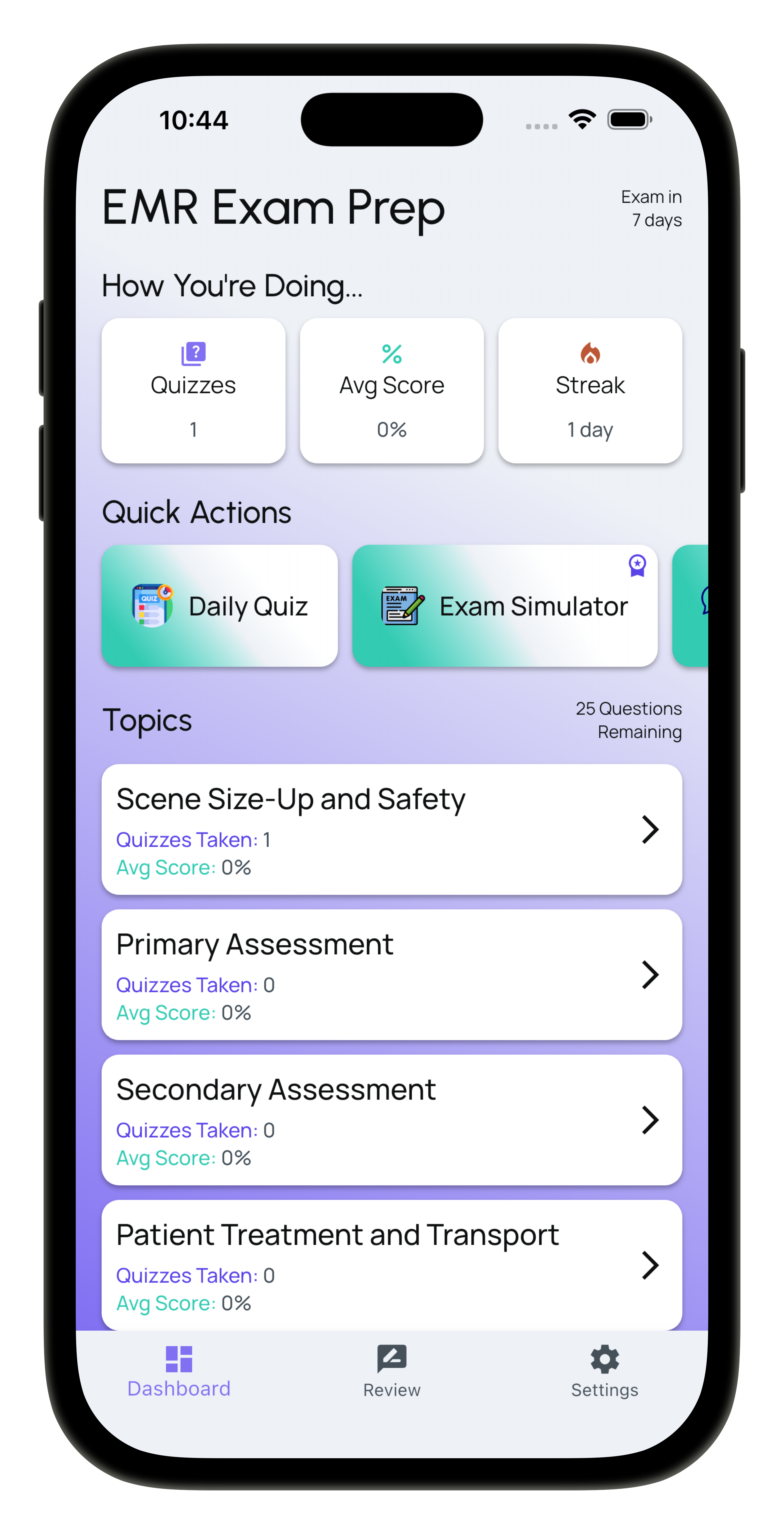
Entering the world of Emergency Medical Response (EMR) can be both exhilarating and daunting. As you embark on this essential journey, understanding emergency scene safety and assessment protocols is crucial not only for your safety but also for the well-being of the patients you will serve. This comprehensive guide will walk you through basic concepts, practical training tips, real-world applications, and career guidance, all while reinforcing the importance of safety and best practices.
Basic Emergency Medical Concepts and Skills
Understanding the Scene
Before approaching any emergency scene, it’s vital to assess the environment. The first step is to ensure your safety and that of bystanders. Consider the following:
- Hazard Identification: Look for potential dangers such as traffic, fire, chemicals, or unstable structures. If the scene is unsafe, do not enter until it has been secured by authorities.
- Personal Protective Equipment (PPE): Always use appropriate PPE, such as gloves, masks, or goggles, to protect yourself from bodily fluids and other hazardous substances.
- Bystander Safety: Ensure that bystanders maintain a safe distance from the scene to prevent additional injuries.
Primary Assessment
Once the scene is deemed safe, you can begin your primary assessment, which involves evaluating the patient’s condition. This process typically follows the ABCs:
- A – Airway: Ensure the airway is clear. If the patient is unconscious, you may need to use techniques such as the head-tilt-chin-lift maneuver.
- B – Breathing: Check for normal breathing. If the patient is not breathing, initiate rescue breaths or CPR if necessary.
- C – Circulation: Assess the pulse and control any major bleeding. If the patient is unresponsive and has no pulse, begin CPR immediately.
This systematic approach helps you quickly identify life-threatening conditions and prioritize your interventions.
Practical Training and Study Tips
Hands-On Practice
Theory is important, but nothing beats hands-on practice. Here are some effective ways to improve your skills:
- Simulated Scenarios: Participate in mock drills that simulate real-life emergencies. This will help you practice your assessment skills and improve your decision-making under pressure.
- Peer Teaching: Teach basic skills to your peers. This not only reinforces your knowledge but also builds teamwork skills essential for real emergency situations.
- Role-Playing: Engage in role-playing exercises with fellow trainees. This can help you develop effective communication skills, which are crucial when interacting with patients, bystanders, and other responders.
Study Guidance
Utilize your study materials effectively:
- Flashcards: Create flashcards for key terms and concepts, such as the signs of shock or the steps of CPR. This will aid in memorization and quick recall during exams and practical assessments.
- Practice Questions: Use the EMR Exam Prep app to access practice questions tailored to the EMR certification exam. Familiarize yourself with the format and types of questions you will encounter.
- Group Study Sessions: Collaborate with fellow students for group study sessions. Sharing knowledge and discussing challenging topics can enhance your understanding.
Real-World Application Examples
Scenario 1: Vehicle Collision
Imagine you arrive at the scene of a vehicle collision. First, you ensure the area is safe by checking for oncoming traffic. Wearing your PPE, you approach the vehicles. You find a patient unconscious inside one of the cars. You quickly assess the ABCs, noting the patient’s airway is obstructed. You carefully clear the airway and check for breathing. The situation demands immediate action, and you call for advanced medical support while initiating CPR.
Scenario 2: Outdoor Event Emergency
At a crowded outdoor event, you notice a person collapse. You quickly assess the scene for hazards, ensuring you are clear of any potential dangers such as trampling crowds. Approaching the patient, you perform the primary assessment. You find that the patient is unresponsive and not breathing. You activate emergency services and begin CPR, instructing bystanders to help clear space around you.
These scenarios highlight the importance of scene safety and assessment protocols in ensuring effective emergency response.
Career Guidance for New EMRs
As you begin your career as an Emergency Medical Responder, consider the following steps to help you thrive in this rewarding field:
- Networking: Join local EMS organizations or online communities to connect with experienced professionals. Networking can provide mentorship opportunities and valuable insights into the field.
- Continued Education: Stay updated on the latest advancements in emergency medicine. Consider pursuing additional certifications in specialized areas, such as CPR instruction or wilderness medicine.
- Volunteer Opportunities: Look for volunteer positions with local EMS agencies or community emergency response teams. This will provide you with practical experience and enhance your resume.
Safety Considerations and Best Practices
Key Safety Tips
- Stay Aware of Your Surroundings: Always be vigilant about potential hazards in your environment.
- Communicate Clearly: Use clear and concise language when giving instructions to bystanders or coordinating with other responders.
- Follow Protocols: Adhere strictly to established safety protocols and procedures. These guidelines are in place to protect you and your patients.
- Self-Care: The emotional toll of being an EMR can be significant. Don’t neglect your mental health. Seek support from peers or professional services if needed.
Conclusion
As you prepare for your journey as an Emergency Medical Responder, remember that mastering scene safety and assessment protocols is essential for your success. By practicing your skills, utilizing study resources like EMR Exam Prep, and staying committed to ongoing education, you can build a solid foundation for a meaningful and impactful career in emergency medical services. Your role is vital, and your commitment to safety and patient care will make a difference in the lives of those you serve. Keep pushing forward—your journey in EMS is just beginning!
Starting your EMR certification journey? Try EMR Exam Prep for practice questions and study materials designed to help you succeed as an Emergency Medical Responder.