Am I Good? - Simple Budgeting
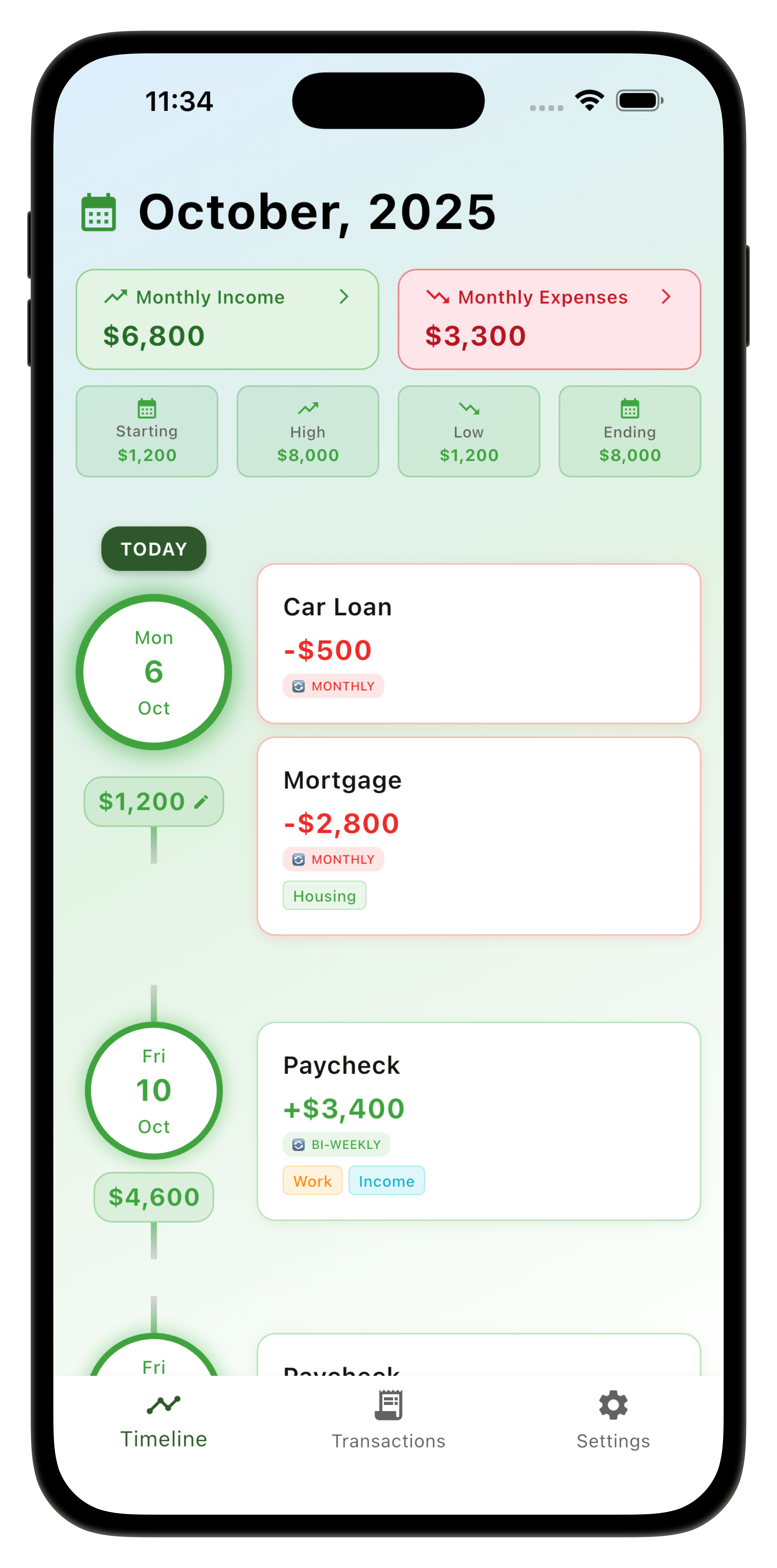
In an age where our personal data is constantly at risk, managing your finances shouldn’t add to the stress. For those who value their privacy and want to maintain a healthy financial outlook, financial management can feel overwhelming. However, with the right strategies and mindset shifts, it can be simplified and made more secure. Here’s how you can achieve privacy-focused financial management while embracing simplicity.
1. Embrace Simple Budgeting Techniques
The 50/30/20 Rule
One of the simplest budgeting techniques is the 50/30/20 rule. This approach divides your after-tax income into three categories:
- 50% for Needs: Essentials like housing, utilities, groceries, and healthcare.
- 30% for Wants: Non-essentials like dining out, hobbies, and entertainment.
- 20% for Savings and Debt Repayment: Building your savings or paying off debts.
By keeping your budget straightforward, you can easily track where your money goes without feeling overwhelmed.
Use a Simple Expense Tracker
Consider using a privacy-focused budgeting tool like Am I Good. With no accounts or data sharing required, you can track your income and expenses without the worry of your financial data being sold or misused. The app allows you to record what you spend and earn in a user-friendly manner, ensuring financial awareness is both simple and private.
2. Practical Financial Strategies for Everyday Use
Automate Savings
Automating your savings can help you build a nest egg without thinking about it. Set up a separate bank account for savings and arrange for a portion of your paycheck to be automatically transferred. This way, you’re prioritizing savings without the mental load of having to remember to do it each month.
Keep a Spending Diary
For a week or month, jot down every expense, no matter how small. This can help you identify spending patterns and highlight areas where you can cut back. By being aware of your spending habits, you can make conscious decisions that align with your financial goals and values.
Prioritize Debt Repayment
If you have debt, prioritize paying it off. Consider using the snowball method, where you focus on paying off the smallest debt first. This approach can help build momentum and confidence as you eliminate debts one by one.
3. Protecting Your Financial Privacy
Limit Personal Information Sharing
When using financial tools or apps, always opt for those that require minimal personal information. Avoid platforms that ask for sensitive details like your Social Security number or bank account info unless absolutely necessary.
Use Cash When Possible
Using cash for certain purchases can help maintain your financial privacy. Unlike electronic transactions, cash leaves no digital footprint, making it a great choice for discretionary spending.
Regularly Update Passwords
For any accounts you do have, ensure your passwords are strong and unique. Regularly changing your passwords can help protect your accounts from unauthorized access.
4. Mindset Shifts for Financial Stress Reduction
View Money as a Tool
Shift your mindset to see money as a tool rather than a source of stress. Focus on how it enables you to live your life rather than viewing it as a burden. This perspective can help alleviate anxiety around finances and encourage more thoughtful spending and saving.
Celebrate Small Wins
Acknowledge and celebrate small financial victories, whether it’s paying off a debt or sticking to your budget for a month. Recognizing your progress can boost your motivation and reinforce positive financial habits.
Practice Mindfulness
Incorporating mindfulness techniques into your financial management can help reduce stress. Consider taking a few moments to breathe deeply and reflect on your financial decisions before making a purchase. This practice can encourage thoughtful spending and help you stay aligned with your financial goals.
5. Real-World Examples
Military Families on the Move
Consider a military family that constantly relocates. They can benefit from a simple budgeting app like Am I Good, which allows them to easily track expenses regardless of where they live. By using cash for everyday purchases, they can maintain financial privacy while managing their budget efficiently.
Frequent Travelers
Think about someone who travels often for work. By using a simple expense tracker, they can log travel expenses without worrying about data security. They can also use credit cards with privacy-focused policies, ensuring their financial information stays safe during transactions abroad.
Conclusion: Simplify Your Financial Journey
Managing your finances in a privacy-conscious way doesn’t have to be complicated. By implementing simple budgeting techniques, protecting your financial privacy, and shifting your mindset, you can take control of your money without the stress. Embrace tools like Am I Good that prioritize your privacy and make tracking your finances straightforward. Remember, your financial journey is uniquely yours, and with simple strategies, it can be both rewarding and secure. Happy budgeting!
Ready for simple, private budgeting? Try Am I Good? and track your income and expenses effortlessly—no accounts, no data sharing, just straightforward financial awareness.