EMR Exam Prep
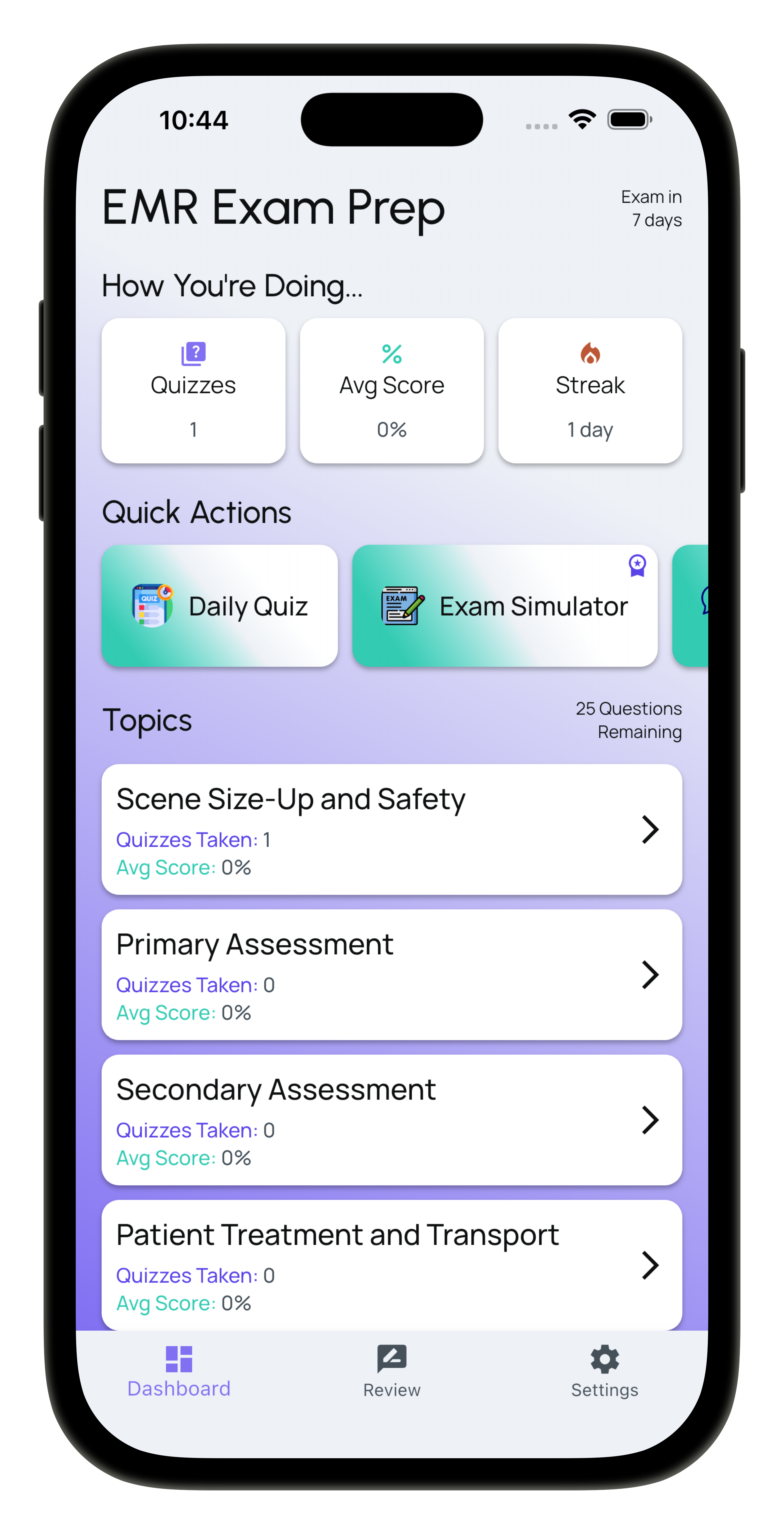
As an aspiring Emergency Medical Responder (EMR), mastering basic life support (BLS) techniques is essential for your success and the safety of those you serve. BLS is a critical component of emergency care, encompassing skills and knowledge that can make a life-saving difference in urgent situations. In this blog post, we will cover foundational emergency medical concepts, practical training tips, real-world application examples, career guidance, and vital safety considerations.
Understanding Basic Life Support
What is Basic Life Support?
Basic Life Support refers to the initial care provided to individuals experiencing life-threatening emergencies, particularly those involving cardiac arrest, choking, or respiratory distress. BLS techniques include CPR (Cardiopulmonary Resuscitation), the Heimlich maneuver for choking, and using an Automated External Defibrillator (AED). As an EMR, your ability to perform these techniques efficiently and confidently can greatly influence patient outcomes.
Key Concepts of BLS
-
Recognition of Cardiac Arrest: Understanding the signs and symptoms of cardiac arrest is crucial. An unresponsive individual without normal breathing requires immediate intervention.
-
High-Quality CPR: This involves providing compressions at a rate of 100-120 per minute and at a depth of at least 2 inches for adults, allowing full chest recoil between compressions.
-
Use of AED: Familiarity with AEDs is vital. These devices can analyze the heart’s rhythm and deliver shocks if necessary.
-
Airway Management: Knowing how to open the airway using techniques like the head-tilt-chin-lift maneuver is essential for effective rescue breathing.
Practical Training and Study Tips
Hands-On Practice
To truly master BLS techniques, hands-on practice is non-negotiable. Here are some tips to help you refine your skills:
-
Attend Training Workshops: Enroll in hands-on CPR and BLS courses offered by organizations like the American Heart Association or the Red Cross. These courses often include simulations and practice sessions, making learning interactive and effective.
-
Utilize Manikins: Practice on adult, child, and infant manikins to become proficient in adjusting your technique based on different patient sizes.
-
Join Study Groups: Collaborate with peers to practice scenarios, quiz each other on protocol, and encourage one another through the learning process.
-
Use EMR Exam Prep Resources: Our app offers a variety of practice questions and study materials specifically designed for EMR certification, helping you reinforce your knowledge of BLS techniques.
Study Techniques
-
Flashcards for Terminology: Create flashcards for key terms and concepts related to BLS. This can help you retain important information and improve recall during exams.
-
Simulate Real-World Scenarios: Engage in role-playing exercises where one person acts as a patient while others respond. This helps to develop critical thinking skills and quick decision-making in real-life situations.
-
Visual Aids: Use diagrams and videos to understand the mechanics of CPR and the AED. Visual learning can often solidify concepts in your mind.
Real-World Application Examples
Understanding how to apply BLS techniques in real-life situations is essential for an EMR. Here are a couple of scenarios you might encounter:
-
Scenario 1: Cardiac Arrest: You arrive on the scene to find an adult male collapsed on the ground, unresponsive. You check for breathing and find none. You immediately call for help, begin CPR, and use an AED as soon as it becomes available. Your quick actions can restore a normal rhythm and save his life.
-
Scenario 2: Choking: A child at a community event suddenly grabs their throat and cannot speak. You recognize the signs of choking and calmly approach. After calling for assistance, you perform the Heimlich maneuver until the obstruction is dislodged, restoring the child’s ability to breathe.
These scenarios illustrate the importance of practicing your skills and remaining calm under pressure. In both cases, your knowledge of BLS techniques directly impacts patient survival.
Career Guidance for New EMRs
Embarking on a career as an EMR is rewarding, but it also comes with challenges. Here are some tips to navigate your new journey:
-
Network with Other EMS Professionals: Join local EMS organizations or online forums where you can connect with experienced responders. They can provide valuable insights into career paths and opportunities for advancement.
-
Seek Volunteer Opportunities: Getting involved with local EMS agencies or community response teams will give you practical experience and enhance your resume.
-
Consider Further Education: As you gain experience, consider pursuing additional certifications or training, such as Advanced EMT or Paramedic programs. This will broaden your skill set and open up new career opportunities.
Safety Considerations and Best Practices
When responding to emergencies, safety should always be your top priority. Here are some best practices to keep in mind:
-
Personal Safety: Always assess the scene for potential hazards (e.g., traffic, fire, or hazardous materials) before approaching a patient.
-
Infection Control: Use personal protective equipment (PPE) when necessary, such as gloves and masks, to minimize the risk of infection for both you and the patient.
-
Emotional Preparedness: Emergencies can be stressful. Develop strategies to manage stress and stay focused on the task at hand.
-
Follow Protocols: Always adhere to established protocols and guidelines. This not only ensures the safety of you and your patients but also fosters teamwork and efficiency in emergency response.
Conclusion
Mastering basic life support techniques is crucial for every EMR. With thorough training, hands-on practice, and a commitment to ongoing education, you can excel in your role and make a real difference in your community. Remember to utilize resources like EMR Exam Prep to reinforce your knowledge and skills as you embark on this rewarding career. As you continue your journey, embrace each challenge and remember that you have the power to save lives. Your dedication to learning and service is the cornerstone of effective emergency medical care!
Starting your EMR certification journey? Try EMR Exam Prep for practice questions and study materials designed to help you succeed as an Emergency Medical Responder.