EMT Exam Prep 2025
In the high-stakes environment of emergency medical services (EMS), the ability to swiftly and accurately assess and manage trauma patients can mean the difference between life and death. For EMT candidates preparing for their certification, understanding trauma assessment and management protocols is crucial. This blog post will delve into the essential components of trauma assessment, management protocols, and practical tips to guide your studies and improve your performance in the field.
Understanding Trauma Assessment
Trauma assessment is a systematic process that allows EMTs to identify life-threatening conditions and prioritize interventions based on the severity of injuries. The National Registry of Emergency Medical Technicians (NREMT) outlines specific guidelines and protocols that dictate how EMTs should approach trauma assessments. The primary framework used is the “ABCDE” approach.
A: Airway Management
The first step in trauma assessment is ensuring that the airway is patent. This is critical, as compromised airway can lead to inadequate oxygenation and respiratory failure. EMTs must:
- Assess for Airway Obstruction: Look for signs like stridor, inability to speak, or altered mental status.
- Intervene as Necessary: If the airway is compromised, utilize adjuncts such as oropharyngeal or nasopharyngeal airways. In severe cases, consider advanced airway management techniques, including intubation, if trained.
B: Breathing and Ventilation
Once the airway is secured, assess the patient’s breathing. This involves checking for:
- Respiratory Rate and Effort: Count breaths per minute and observe for labored or shallow breathing.
- Auscultation of Lung Sounds: Listen for any abnormalities such as wheezing, crackles, or absence of breath sounds.
- Interventions: Provide supplemental oxygen and assist with ventilation using bag-valve-mask (BVM) if necessary.
C: Circulation
Circulation assessment focuses on identifying shock and controlling hemorrhage:
- Pulse Check: Assess the quality, rate, and rhythm of the pulse. A rapid, weak pulse may indicate shock.
- Skin Signs: Look for pallor, coolness, or diaphoresis, which can also signal circulatory problems.
- Control Bleeding: Apply direct pressure to any visible wounds and utilize tourniquets if necessary.
D: Disability
The disability assessment evaluates the patient’s neurological status:
- AVPU Scale: Determine responsiveness using the Alert, Verbal, Pain, Unresponsive scale.
- Pupil Reaction: Check for pupil size and reaction to light. Unequal pupils can indicate increased intracranial pressure or brain injury.
E: Exposure and Environment
Finally, expose the patient to identify any hidden injuries while ensuring they remain warm:
- Full Body Examination: Remove clothing as necessary to assess for injuries, while maintaining patient dignity.
- Prevent Hypothermia: Use blankets or warming devices to keep the patient warm during transport.
Trauma Management Protocols
Once the assessment is complete, EMTs must implement appropriate management protocols based on the findings. Here are some key management strategies:
Rapid Transport
In cases of severe trauma, such as major hemorrhage or spinal injury, rapid assessment and transport to a trauma center is critical. Keep in mind:
- Communication: Notify the receiving facility early about the patient’s condition to prepare for immediate care upon arrival.
- Continuous Monitoring: Monitor vital signs and reassess the patient’s condition en route.
Fluid Resuscitation
For patients exhibiting signs of shock, fluid resuscitation is a priority. Use isotonic solutions like Normal Saline or Lactated Ringer’s, and administer according to protocol while monitoring for signs of fluid overload.
Pain Management
Pain management is an essential component of trauma care. If protocol allows, administer analgesics to alleviate pain while ensuring patient safety.
Practical Study Tips for EMT Candidates
-
Utilize NREMT Practice Questions: Familiarize yourself with the format of questions by using NREMT-style practice questions. The EMT Exam Prep app offers a wealth of these resources, complete with detailed explanations to reinforce learning.
-
Engage in Simulations: Participate in hands-on training and simulation exercises. Real-life scenarios will enhance your confidence and ability to apply trauma protocols under pressure.
-
Form Study Groups: Collaborate with fellow EMT candidates to review protocols and practice assessments. Teaching concepts to peers can reinforce your understanding and retention of material.
-
Stay Updated on Guidelines: Regularly review the latest NREMT standards and trauma management protocols to ensure you are prepared for the exam and fieldwork.
Conclusion
Mastering trauma assessment and management protocols is vital for EMT candidates aiming for certification success. Understanding the ABCDE approach, implementing effective interventions, and continuously honing your skills through practical study methods will not only prepare you for the NREMT exam but also equip you to provide exceptional care in the field. As you prepare for your EMT certification, remember that the knowledge and skills you gain will directly impact the lives of the patients you serve. Embrace this responsibility, and let EMT Exam Prep be your trusted companion on your journey to becoming a certified EMT.
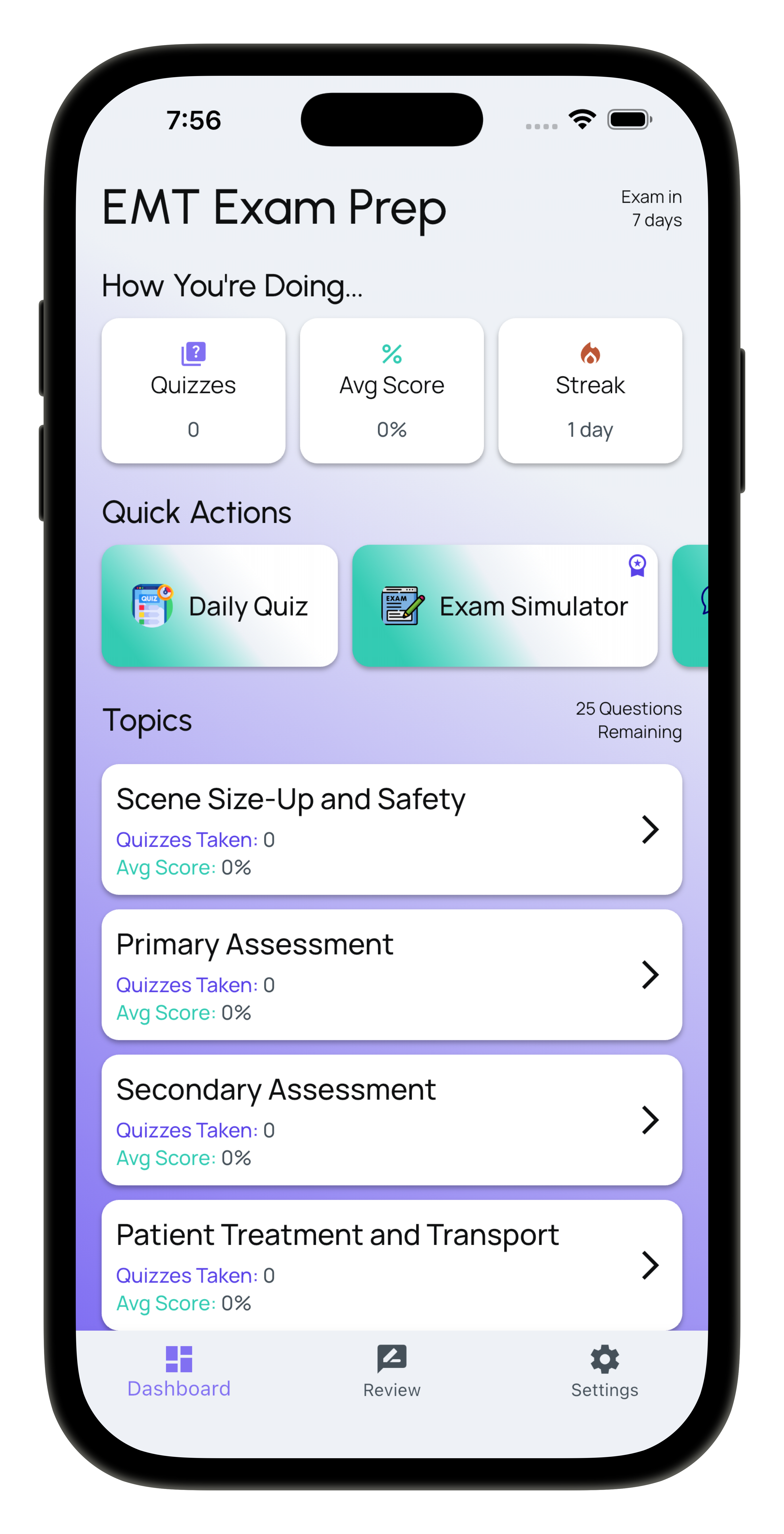
Ready to become a certified EMT? Try EMT Exam Prep 2025 for comprehensive NREMT-style practice questions with detailed explanations covering all essential certification content areas.