Am I Good? - Simple Budgeting
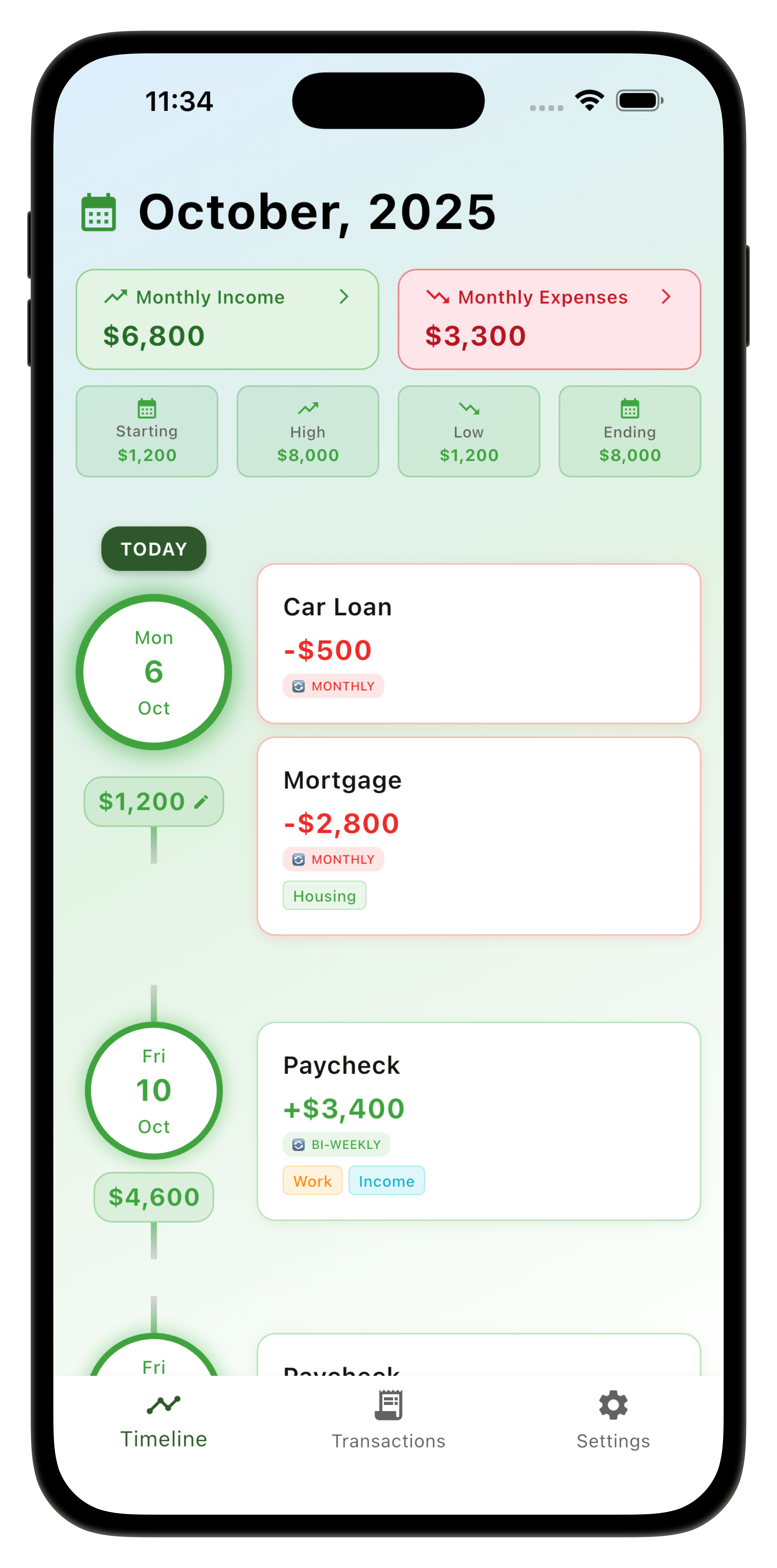
In today’s fast-paced world, managing finances can feel like an uphill battle. With countless budgeting apps, financial advisors, and complex strategies, it’s easy to feel overwhelmed. But what if we told you that financial literacy could be both straightforward and private? At Am I Good, we believe in empowering individuals with simple tools that prioritize privacy while fostering financial awareness. Let’s explore practical strategies and mindset shifts that make financial management accessible and stress-free.
Practical Strategies for Easy Financial Management
-
Track Your Income and Expenses Simply The foundation of financial literacy is understanding where your money goes. Instead of diving into complex spreadsheets, consider using a simple ledger or even a notepad to jot down your income and expenses. At the end of each week or month, review your notes to see where you can cut back or where you might need to allocate more funds.
-
Set Clear Financial Goals Whether you want to save for a vacation, pay off debt, or build an emergency fund, having clear goals can guide your financial decisions. Write down your short-term and long-term goals, and break them into actionable steps. This not only makes your financial journey feel more manageable but also gives you something to work toward.
-
The 50/30/20 Rule A simple budgeting technique is the 50/30/20 rule: allocate 50% of your income to needs (like housing and groceries), 30% to wants (like entertainment and dining out), and 20% to savings and debt repayment. This method offers a straightforward framework that can help you maintain balance in your financial life.
Tips for Maintaining Financial Privacy
-
Use Cash When Possible While digital payments are convenient, they often leave a trace. If privacy is a priority, consider using cash for everyday purchases. This not only helps you stick to your budget but also keeps your spending habits private.
-
Limit Data Sharing When choosing budgeting tools, be sure to select those that respect your privacy. At Am I Good, we prioritize your data security by requiring no accounts or data sharing. Always read the privacy policies of any financial app you use to ensure your information remains confidential.
-
Keep Financial Conversations Private Discussing your financial situation can be helpful, but it’s essential to be mindful of who you share this information with. Keep your financial conversations to trusted friends or family members to maintain your privacy while still seeking advice.
Simple Budgeting Techniques and Mindset Shifts
-
Embrace a Mindful Spending Approach Shift your mindset from a scarcity mentality to a more mindful approach to spending. Before making a purchase, ask yourself if it aligns with your values and financial goals. This can help reduce impulse buys and reinforce your commitment to your budget.
-
Celebrate Small Wins Financial progress can feel slow, and it’s easy to get discouraged. Celebrate small milestones along the way, whether it’s paying off a portion of debt or sticking to your budget for a month. Recognizing these achievements can motivate you to continue on your financial journey.
-
Practice Gratitude Cultivating a gratitude mindset can help ease financial stress. Focus on what you have rather than what you lack. This shift can reduce anxiety related to money and help you appreciate your financial journey, no matter how small.
Real-World Examples That Resonate
Example 1: The Military Family
Consider a military family who moves frequently. Instead of relying on complex budgeting software that requires constant updates, they use a simple notepad to track their income and expenses. By setting clear financial goals for each move—whether it’s saving for a new home or paying down debt—they can adapt their budget quickly, maintaining both simplicity and privacy.
Example 2: The Young Professional
A young professional just starting their career might feel overwhelmed by student loans and living expenses. By adopting the 50/30/20 rule, they can allocate their income wisely, ensuring they cover their needs while still saving for short-term goals like travel or further education. By choosing to use cash for discretionary spending, they can maintain better control over their finances without feeling like they’re being monitored.
Stress-Reduction Approaches to Money Management
-
Automate Savings Set up automatic transfers to your savings account every payday. This “pay yourself first” approach removes the temptation to spend that money and helps grow your savings without constant oversight.
-
Designate a Money Day Dedicate one day a month to review your finances. This can be a stress-free way to assess your budget, track your progress, and make adjustments without feeling overwhelmed. Choose a day that works for you, and make it a monthly ritual.
-
Seek Community Support Join a local or online community focused on financial literacy. Sharing experiences and tips with others can alleviate the feeling of isolation that often comes with financial management. Plus, you’ll gain new insights that can simplify your approach.
Conclusion: A Simple Path to Financial Literacy
Teaching financial literacy doesn’t have to be complicated. By adopting simple tools and strategies, you can empower yourself to take control of your finances without sacrificing your privacy. At Am I Good, we believe in fostering a straightforward, sustainable approach to financial management that allows you to focus on what truly matters. Embrace these techniques, celebrate your progress, and remember that financial wellness is a journey—a journey made easier with the right tools and mindset.
Ready for simple, private budgeting? Try Am I Good? and track your income and expenses effortlessly—no accounts, no data sharing, just straightforward financial awareness.