EMR Exam Prep
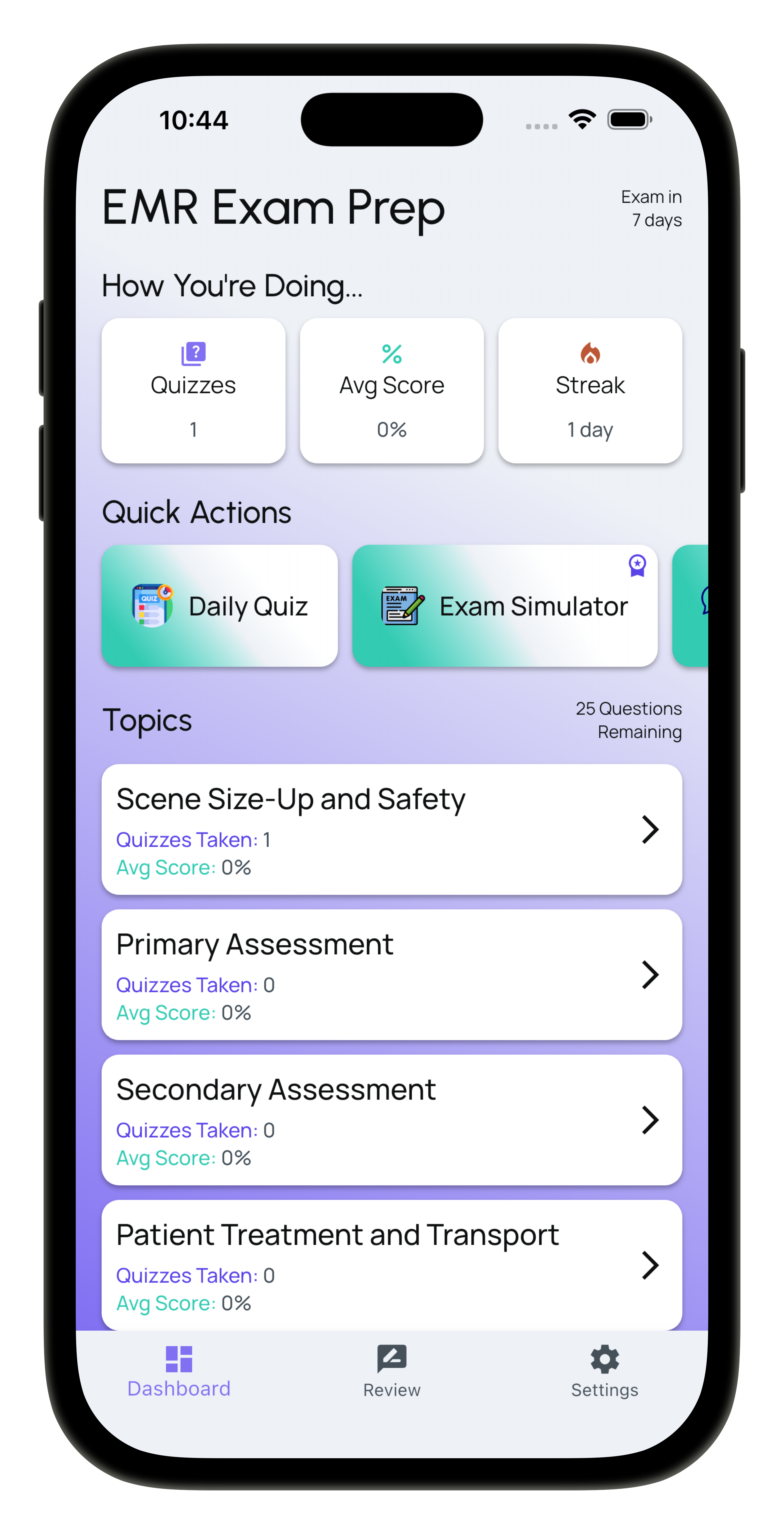
As you embark on your journey to becoming an Emergency Medical Responder (EMR), understanding the importance of scene safety and assessment is paramount. These vital skills not only ensure your safety but also lay the groundwork for effective emergency care. In this post, we’ll explore basic emergency medical concepts, provide practical training tips, highlight real-world scenarios, offer career guidance, and discuss essential safety considerations.
Understanding Basic Emergency Medical Concepts
The Importance of Scene Safety
Before you can provide any medical assistance, it’s crucial to ensure the scene is safe for you, your team, and the patients. Remember the mantra: “Scene safety first.” This means assessing the environment for hazards such as traffic, fire, chemical spills, or unstable structures. Always approach a scene with caution and a plan.
Primary Assessment
Once you determine the scene is safe, your next step is the primary assessment of the patient. This involves quickly identifying life-threatening conditions and stabilizing the patient. The following steps outline this process:
- Assess Consciousness: Check if the patient is responsive. Use the AVPU scale (Alert, Verbal, Pain, Unresponsive) to gauge their level of consciousness.
- Airway Management: Ensure the airway is clear. If the patient is unresponsive, consider using the head-tilt-chin-lift maneuver or jaw-thrust maneuver to open the airway.
- Breathing and Circulation: Look, listen, and feel for breathing. If the patient is not breathing, initiate rescue breaths and chest compressions if necessary. Additionally, check for a pulse.
By mastering these concepts, you build a solid foundation for your EMR skills.
Practical Training and Study Tips
Utilize EMR Exam Prep Resources
To ensure you grasp these concepts, leverage the resources available through EMR Exam Prep. The app provides an array of practice questions and study materials specifically designed for EMR certification. Here are a few actionable tips for effective study:
- Create a Study Schedule: Allocate specific times for studying, ensuring you cover all topics systematically.
- Practice Scenarios: Role-play emergency situations with fellow students or colleagues to sharpen your assessment skills and decision-making.
- Take Practice Quizzes: Utilize the practice questions on the EMR Exam Prep app to familiarize yourself with the exam format and identify areas where you need improvement.
Hands-On Training
Participate in hands-on training sessions, whether through your course or local EMS community services. This practical experience will reinforce theoretical knowledge and improve your confidence in real-life scenarios.
Real-World Application Examples
Scenario 1: Traffic Accident
Imagine you arrive at the scene of a traffic accident. You first ensure the area is safe by checking for oncoming traffic and potential hazards like fuel leaks. After confirming safety, you approach the vehicle and find an unconscious driver. Using the primary assessment, you determine that the driver is not breathing and has no pulse. You immediately initiate CPR and call for advanced medical support. This scenario highlights the critical nature of both scene safety and primary assessment.
Scenario 2: Medical Emergency at a Public Event
Picture a large community event where a participant collapses. Upon arrival, you observe a crowd gathering, which could hinder rescue efforts. You direct a bystander to manage the crowd while you assess the patient. The patient is responsive but complaining of chest pain. You perform a quick assessment to check for any signs of a heart attack (e.g., sweating, difficulty breathing) and provide reassurance while waiting for advanced help. Here, your ability to assess the situation and communicate effectively plays a crucial role.
Career Guidance for New EMRs
As you advance in your EMR training, consider these career tips:
- Network Within Your Community: Connect with local EMS providers, attend meetings, and participate in community events. Networking can lead to job opportunities and mentorship.
- Explore Further Education: After becoming certified as an EMR, consider pursuing further training, such as EMT or paramedic courses, to expand your skills and career options.
- Stay Informed: The medical field is always evolving. Stay updated on the latest protocols, techniques, and technologies through continued education and training.
Safety Considerations and Best Practices
Best Practices for Scene Safety
- Wear Personal Protective Equipment (PPE): Always have gloves, masks, and eye protection available to minimize exposure to bodily fluids and contaminants.
- Establish a Safe Zone: Create a designated area for your equipment and team, keeping it separate from the patient and any hazards.
- Communicate Clearly: Use clear, concise communication with your team and bystanders to keep everyone informed and focused.
Mental Health and Safety
As an EMR, you’ll encounter distressing situations. It’s essential to prioritize your mental health. Engage in debriefing sessions after challenging calls, reach out to colleagues for support, and consider speaking with a mental health professional if needed.
Conclusion
Becoming an Emergency Medical Responder is a rewarding journey filled with opportunities to make a difference in your community. By mastering scene safety and assessment protocols, you position yourself for success in critical situations. Remember, EMR Exam Prep is here to support you with the resources you need to excel in your training and certification. Stay safe, stay prepared, and embrace your role as a vital member of the emergency medical services community.
Starting your EMR certification journey? Try EMR Exam Prep for practice questions and study materials designed to help you succeed as an Emergency Medical Responder.